
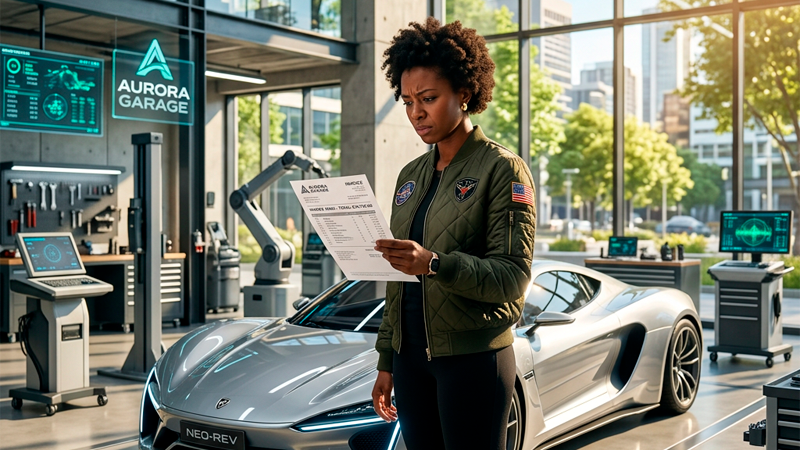
Cheap Sports Cars Usually Become Expensive Very Fast
A lot of people dream about owning a sports car at least once.
The sound feels exciting, the design stands out in traffic, and older performance cars often look surprisingly affordable online. Someone scrolling through listings suddenly sees a coupe with 400 horsepower priced close to a basic sedan and starts thinking it might finally be possible.
That is usually where the expensive mistakes begin.
Many cheap sports cars are not actually cheap. They are simply old enough that the purchase price dropped while the ownership costs stayed high.
Low purchase prices hide high maintenance costs
One of the biggest traps in the used car market is assuming maintenance scales with resale value.
It does not.

A sports car that originally cost $65,000 still carries premium repair costs even if someone buys it years later for $18,000. Parts, labor, tires, insurance, and specialized repairs often remain expensive because the vehicle was engineered as a high-performance machine from the start.
This catches first-time buyers constantly.
Someone upgrades from a reliable commuter sedan into an older performance car and suddenly faces:
- $1,400 brake jobs
- $1,200 tire replacements
- premium fuel requirements
- higher insurance deductibles
- expensive suspension repairs
The monthly payment might look manageable. Ownership rarely stays that simple.
A lot of buyers calculate financing but completely ignore maintenance reserves. That mistake becomes dangerous once the car crosses 70,000 or 90,000 miles.
Older German performance cars create the biggest surprises
There is a reason older German luxury sports cars become cheap faster than many Japanese competitors.
The driving experience is incredible. The repair exposure can be brutal.
Used models from brands like BMW, Mercedes-Benz, and Audi often attract buyers because depreciation hits hard after the warranty period ends. A vehicle that once looked unreachable suddenly becomes affordable for younger drivers.
The problem appears after purchase.
Modern German performance cars contain complex electronics, turbocharged engines, adaptive suspension systems, and expensive cooling components. Once aging begins, repairs rarely happen one at a time.
A single cooling system issue can easily trigger a chain of repairs costing $3,000 to $6,000.
Independent mechanics help reduce labor costs, but many parts remain expensive regardless of where repairs happen.
This is why experienced enthusiasts often say buying the cheapest luxury sports car available is usually the most expensive way to own one.
A neglected performance car almost always costs more later.
Tires disappear faster than most buyers expect
Performance tires shock first-time sports car owners more than almost anything else.
Many sports cars use staggered wheel setups with wider rear tires designed for grip and handling. Those tires wear quickly, especially on heavier vehicles with aggressive torque delivery.
Some drivers burn through rear tires in under 15,000 miles.
Worse, performance tires are rarely cheap. A quality set for certain sports cars can easily cost:
- $1,200 to $2,400
- plus alignment
- plus balancing
- plus installation
People upgrading from economy cars often underestimate this massively because they are used to replacing tires for half that amount.
Driving habits matter too.
Aggressive acceleration, poor alignment, rough roads, and cheap replacement tires can ruin handling quality surprisingly fast. Many owners eventually realize maintaining the “sports car feel” costs much more than simply keeping the vehicle running.
Insurance companies punish younger drivers hard
Insurance pricing becomes another reality check.
A 22-year-old financing a sports coupe may receive quotes higher than the actual car payment. Insurance companies analyze accident rates, speeding claims, theft frequency, repair costs, and driver age very aggressively for performance vehicles.
Sometimes buyers only discover the real insurance price after already committing emotionally to the car.
That creates terrible financial decisions.
A person stretching to afford both financing and insurance usually has little room left for emergency repairs. Once mechanical problems appear, many owners start delaying maintenance because cash flow becomes too tight.
That decision snowballs quickly.
Ignoring small issues on performance cars usually creates bigger failures later.
Cheap oil changes become expensive engine problems. Minor suspension noises become major steering repairs. Delayed maintenance destroys resale value faster than people expect.
The car starts feeling less like a dream purchase and more like a constant financial interruption.
Fast cars often encourage expensive habits
One overlooked cost of sports car ownership is behavioral.
People drive differently in performance vehicles.
Fuel consumption rises because drivers accelerate harder. Road trips become more frequent because the car feels fun. Some owners start modifying exhaust systems, wheels, lighting, suspension parts, or engine tuning shortly after purchase.
The spending rarely stops with the vehicle itself.
A buyer who originally planned to spend $22,000 on a used sports car may quietly invest another:
- $4,000 in modifications
- $2,500 in unexpected repairs
- $1,500 in tires
- higher insurance premiums every year
within the first eighteen months.
Social media also amplifies this behavior heavily.
Online car culture constantly pushes upgraded builds, aftermarket parts, cosmetic modifications, and performance tuning. Many owners begin comparing their cars to heavily modified examples online and feel pressure to keep upgrading.
That cycle becomes expensive very quickly.
Reliable sports cars exist but buyers overlook them
Interestingly, some of the best sports car ownership experiences come from less flashy vehicles.
Cars with naturally aspirated engines, simpler drivetrains, lower weight, and strong reliability records often deliver more enjoyment long term than complicated high-horsepower machines.
Models from Mazda, Honda, and certain older Toyota performance platforms built strong reputations partly because ownership costs remained manageable.
That matters more than many buyers realize.
A reliable sports car people can actually maintain consistently is usually more enjoyable than an unreliable luxury performance car constantly waiting for repairs.
The smartest enthusiasts often prioritize:
- maintenance history
- parts availability
- insurance costs
- tire prices
- reliability forums
before horsepower numbers.
That mindset looks boring initially. It usually saves thousands later.
A fast car becomes much less exciting once the owner starts fearing every warning light, every strange noise, and every mechanic visit. And many buyers discover too late that the cheapest sports car on the marketplace was only cheap because somebody else wanted to escape the repair bills first.