
The Nostalgia Trap That Keeps Adults Rewatching the Same Shows
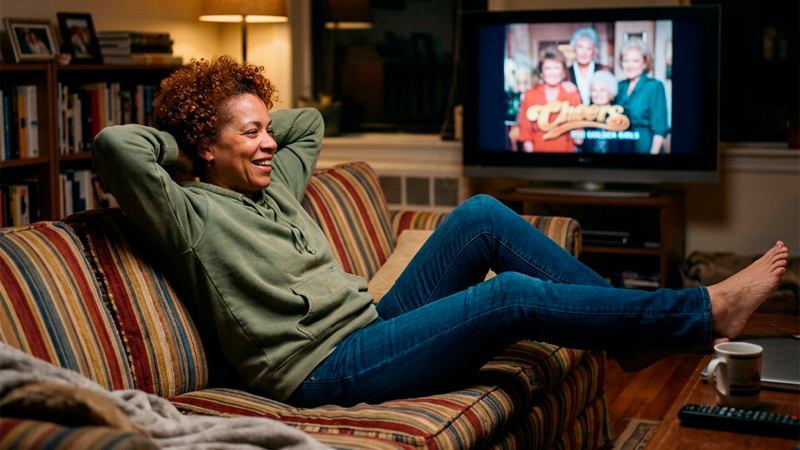
A surprising number of adults spend more time rewatching old sitcoms, cartoons, and movies than discovering new entertainment. Streaming platforms constantly push fresh releases, yet millions of people still return to the same comfort shows they watched ten or even twenty years ago.
It looks harmless at first. A few episodes before bed. A familiar comedy during dinner. Background noise while working from home.
But after a while, many people realize they barely watch anything new anymore.
There is a reason for that, and it has less to do with laziness than most people assume.
Comfort viewing became a coping mechanism
During stressful periods, the brain naturally looks for predictable experiences. Familiar shows already contain known outcomes, familiar voices, and emotional patterns the viewer understands without effort.
That matters more than people realize.
A brand-new series requires attention, emotional investment, and mental energy. Rewatching an old favorite requires almost none. Your brain already knows the characters, the jokes, the conflicts, and even the soundtrack timing.
After long workdays, many adults unconsciously choose entertainment that feels emotionally safe.
Streaming companies understand this behavior extremely well. That is why recommendation systems constantly push older content connected to previous viewing habits. Platforms make more money when users stay comfortable and keep watching for hours.
This pattern became even stronger after 2020, when stress levels and screen time exploded worldwide. Many viewers quietly built routines around nostalgic content without noticing how automatic the habit became.
Some people now rotate the exact same three or four shows every year.
Childhood entertainment hits differently after age 25
Watching a show at 14 feels completely different from watching it at 30.
As adults revisit old media, they start noticing details they missed years earlier. Certain jokes suddenly make sense. Characters that once looked annoying now feel realistic. Villains appear less evil and more complicated.
That emotional reinterpretation creates a strange effect.
People are not only revisiting the show. They are revisiting the version of themselves who first watched it.
That emotional loop can become extremely powerful during periods of instability, career stress, breakups, or financial pressure. Familiar entertainment reconnects people with older memories that felt simpler and safer.
A lot of adults quietly use nostalgic media to regulate emotions without realizing it.
There is also a practical reason behind the habit. Modern entertainment often feels exhausting.
Many current shows are longer, darker, louder, and built around nonstop twists. Some viewers eventually become tired of investing eight hours into a series that collapses halfway through the season.
Older shows often feel lighter and easier to consume. A 22-minute sitcom from 2006 asks far less from the viewer than a modern prestige drama with complex timelines and heavy emotional themes.
That convenience matters.
Streaming changed cultural behavior more than people expected
Before streaming, rewatching required effort.
People had to buy DVDs, wait for reruns, or download episodes manually. The process naturally limited how often viewers repeated the same content.
Now everything sits one click away.
That convenience changed entertainment habits dramatically. Instead of searching for something meaningful, many users immediately choose familiarity because it removes decision fatigue.
Studies about streaming behavior repeatedly show that people spend enormous amounts of time browsing without selecting anything. After scrolling for fifteen minutes, viewers often surrender and replay something familiar instead.
The hidden cost is cultural stagnation.
People talk less about discovering new films, new directors, or experimental storytelling because algorithms constantly recycle what already feels safe. Large audiences now consume culture passively instead of exploring it actively.
That affects smaller creators too.
Independent movies, niche documentaries, and unconventional series struggle to compete against giant nostalgic franchises constantly pushed by streaming platforms. Safe content dominates attention because platforms optimize for retention, not necessarily originality.
A person can easily spend an entire year consuming recycled entertainment without noticing it.
Nostalgia marketing became incredibly aggressive
Modern entertainment companies do not simply rely on nostalgia anymore. They engineer entire business models around it.
Old franchises return constantly because studios know emotional familiarity reduces financial risk. Reboots, remakes, reunion specials, live-action adaptations, retro merchandise, and anniversary editions dominate entertainment headlines every year.
There is a simple reason for that strategy.
Launching a completely original idea is expensive and risky. Relaunching something audiences already recognize is safer.
A studio spending $150 million on a reboot already knows millions of people feel emotionally attached to the brand before the trailer even appears.
That attachment creates automatic engagement online.
People debate casting decisions, compare versions, share old clips, and argue about childhood memories for months before release. Marketing becomes easier because nostalgia itself generates free attention.
But audiences eventually pay the price.
Many viewers now complain that modern culture feels repetitive. The constant recycling of older franchises leaves less space for genuinely original ideas to become mainstream.
Ironically, the same audiences asking for originality often ignore new projects and return to familiar franchises anyway.
Rewatching is not always harmless
Comfort viewing itself is not unhealthy. Almost everyone does it occasionally.
Problems usually appear when nostalgia replaces curiosity completely.
Some adults slowly stop engaging with unfamiliar music, films, books, or ideas because familiar content feels emotionally easier. Over time, entertainment choices become narrower and more repetitive.
That affects conversations, creativity, and even emotional growth more than people expect.
New experiences force the brain to adapt. Familiar experiences mostly reinforce existing emotional patterns.
There is also a financial side that rarely gets discussed.
Many streaming services survive largely because viewers endlessly replay old catalog content. Yet subscription prices continue increasing every year. People are often paying $15 to $25 monthly mainly to rewatch shows they finished years ago.
For families using four or five subscriptions simultaneously, that can quietly become a yearly expense of $800 to $1,500.
At some point, nostalgia stops being free comfort and starts becoming a business model built around emotional dependence.
Why some people eventually break the cycle
Interestingly, many heavy nostalgia viewers eventually reach a saturation point.
A show they loved for years suddenly feels repetitive. The emotional comfort fades because every scene became too predictable. At that stage, viewers often realize how much entertainment time disappeared into repetition.
Some people respond by intentionally seeking unfamiliar media again.
Foreign films, independent creators, older books, live events, local music scenes, and documentaries often reintroduce a sense of discovery missing from algorithm-driven entertainment habits.
The experience can feel uncomfortable initially because modern streaming habits trained audiences to avoid uncertainty.
But uncertainty is usually where memorable experiences come from.
Many people remember discovering a new favorite movie more vividly than rewatching the same sitcom for the twentieth time.
That difference matters.
Culture becomes less interesting when audiences stop exploring it and only revisit what already feels emotionally safe. The companies behind streaming platforms understand that comfort keeps subscriptions active. What they rarely encourage is curiosity, because curiosity does not always maximize watch time.
And that may be the biggest consequence of all.
People think they are choosing nostalgia freely, while algorithms quietly train them to stop searching for anything new.