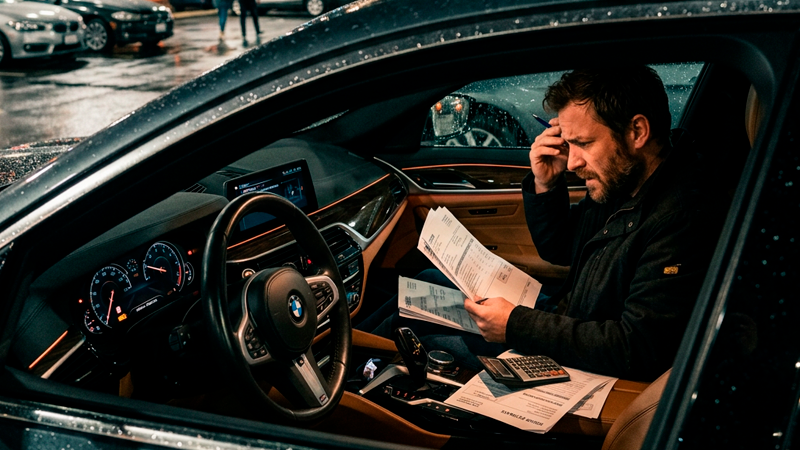
Middle Income Drivers Are Getting Hit Hard by Used Luxury Car Expenses
A growing number of drivers are buying used luxury vehicles thinking they discovered a smart shortcut.
The logic seems convincing at first.
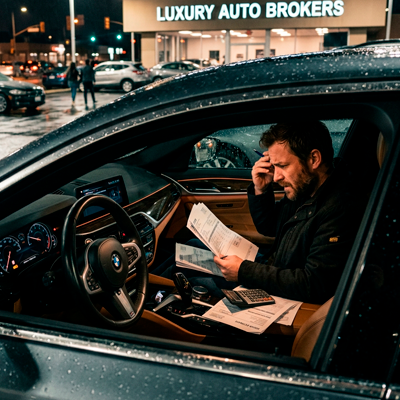
A car that originally cost $70,000 is suddenly available for $24,000 after a few years. The interior still looks premium. The badge still feels impressive. The dealership listing makes it sound like an incredible deal compared to buying a brand-new economy car.
Then ownership begins.
Monthly payments may feel manageable initially, but maintenance costs often arrive fast and without warning. Many buyers discover too late that owning a depreciated luxury vehicle is completely different from affording one.
And that gap quietly creates financial pressure for thousands of households every year.
Depreciation Creates Temptation That Many Buyers Misunderstand
Luxury cars lose value aggressively during their first years.
That steep depreciation creates attractive pricing in the used market, especially compared to newer mainstream vehicles.
Someone shopping for a reliable midsize sedan may suddenly notice they can afford:
- a used BMW
- an older Mercedes-Benz
- a high-mileage Audi
- a luxury SUV with premium features
- a turbocharged performance sedan
At first glance, the comparison feels obvious.
Leather seats.
Panoramic roof.
Large screens.
Premium sound systems.
Stronger engines.
The used luxury vehicle appears far more exciting than a newer economy car sitting in the same price range.
But many buyers focus heavily on purchase price while ignoring ownership cost.
That mistake changes everything.
A luxury car does not become inexpensive simply because the sticker price drops.
The repair costs, parts pricing, labor complexity, and insurance rates often remain tied to the vehicle’s original class.
That reality surprises first-time luxury buyers constantly.
One Repair Bill Can Destroy the Entire “Good Deal”
Modern luxury vehicles contain significantly more technology than many drivers realize.
Adaptive suspensions.
Complex infotainment systems.
Turbocharged engines.
Advanced sensors.
Electronic steering components.
Large touchscreen systems.
Air suspension setups.
All of those features improve comfort and driving experience when the car is new.
Years later, they often become financial landmines.
A single repair can suddenly cost:
- $1,800 for suspension work
- $2,500 for turbo-related repairs
- $1,200 for cooling system issues
- $900 for electronic modules
- $400 to $700 for basic maintenance visits
And those numbers climb quickly once labor costs enter the equation.
Luxury brands also tend to require specialized diagnostics and experienced technicians, limiting cheaper repair options.
Many middle-income buyers underestimate how emotionally stressful recurring repair costs become after the excitement of buying the car fades.
The problem becomes even worse for owners financing older luxury cars with minimal savings available afterward.
Cheap Monthly Payments Often Hide Dangerous Ownership Costs
A lot of buyers shop emotionally based on monthly payment size instead of total operating expense.
That approach creates misleading comparisons.
Someone sees:
- $430 monthly for a used luxury SUV
- $470 monthly for a newer reliable economy vehicle
The luxury option feels more attractive immediately.
But monthly payments represent only one part of the equation.
Insurance may increase dramatically.
Premium fuel becomes mandatory.
Tires become more expensive.
Oil changes cost more.
Unexpected repairs become larger and more frequent.
Registration fees can also rise depending on location and vehicle value.
After everything gets combined, the cheaper-looking luxury car may quietly cost hundreds more every month to operate.
Some drivers save $40 on the payment and spend an extra $500 maintaining the vehicle.
That imbalance slowly destroys the financial advantage they believed they found initially.
High Mileage Luxury Cars Age Differently Than Economy Vehicles
Mileage affects every car.
But expensive vehicles often become riskier at higher mileage because their systems are more complicated and more expensive to maintain.
An older economy sedan with 140,000 miles may still function reliably with relatively simple repairs.
A luxury vehicle with the same mileage can become far more unpredictable financially.
Not because luxury cars are automatically bad.
But because many contain:
- more electronics
- more sensors
- more performance components
- more expensive cooling systems
- more advanced transmissions
- more complicated suspension designs
When multiple aging systems start failing together, ownership costs escalate quickly.
This creates a dangerous cycle.
A buyer stretches financially to afford the vehicle.
Then repair costs arrive.
Maintenance gets delayed.
Small problems become larger problems.
Eventually, the car becomes extremely expensive to keep running properly.
Deferred maintenance quietly destroys many used luxury vehicles long before the engine itself fails.
That is why service history matters far more than appearance when shopping in this market.
Social Pressure Quietly Influences Car Buying Decisions
Cars remain emotional purchases for many people.
Even financially disciplined buyers can feel pressure from:
- social media
- status comparisons
- luxury branding
- online car culture
- appearance-driven marketing
A luxury badge often creates a stronger emotional reaction than a practical vehicle offering lower long-term costs.
Some buyers also assume owning a premium vehicle signals personal success.
That emotional connection sometimes overrides practical financial thinking.
Meanwhile, many financially stable drivers intentionally choose reliable mainstream vehicles because they understand the long-term math behind ownership.
They prioritize:
- lower repair frequency
- cheaper maintenance
- better fuel efficiency
- lower insurance costs
- predictable ownership expenses
That approach rarely generates attention online.
But financially, it often creates significantly less stress over time.
A car that quietly stays reliable for eight years usually becomes a far better financial decision than a flashy vehicle constantly draining cash reserves.
Modern Features Age Faster Than Many Buyers Expect
Luxury vehicles heavily depend on technology to justify their original pricing.
The problem is that technology ages quickly.
A premium infotainment system from eight years ago may already feel outdated compared to modern mainstream cars.
Older software becomes slower.
Navigation systems feel clunky.
Backup cameras look low resolution.
Connectivity features stop receiving updates.
Touch controls begin failing.
That creates another issue many buyers ignore.
Older luxury cars can feel technologically outdated while still carrying expensive maintenance costs.
This creates a strange ownership experience where drivers pay premium repair bills for features that no longer feel premium anymore.
Meanwhile, newer non-luxury vehicles often include:
- modern safety systems
- wireless smartphone integration
- better fuel economy
- updated interiors
- improved reliability
- lower operating costs
That comparison has become increasingly important over the last few years.
The Smartest Used Car Purchases Usually Feel Slightly Boring
Financially strong vehicle decisions rarely look exciting initially.
Reliable sedans.
Simple drivetrains.
Affordable maintenance.
Strong parts availability.
Lower insurance costs.
These factors sound less glamorous than turbocharged luxury performance vehicles.
But long-term ownership changes perspective quickly.
Drivers who avoid major repair surprises usually experience far less financial stress over several years.
That stability matters more than many people realize.
Especially during periods of rising living costs, expensive insurance premiums, and unpredictable repair pricing.
This does not mean every used luxury car is automatically a bad purchase.
Some are excellent.
Some owners maintain them perfectly.
Some models remain surprisingly dependable.
But many buyers enter the luxury used market emotionally without fully understanding the long-term commitment involved.
And once repair costs begin stacking together, escaping the financial pressure becomes difficult.
A car purchase affects far more than transportation. It influences savings, emergency funds, monthly stress levels, and long-term financial flexibility.
That reality becomes very clear once ownership starts costing more than expected.