Buying an Old German Luxury Car Usually Costs More Than People Expect
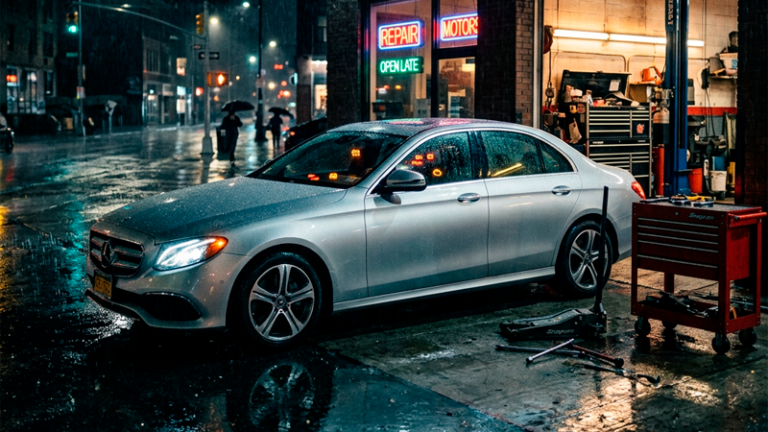
A used German luxury car can feel like the best deal in the automotive market. For the price of a new economy sedan, buyers suddenly see older BMWs, Mercedes-Benz models, Audis, and even Porsches loaded with premium interiors, strong engines, advanced technology, and impressive styling.
At first glance, it looks irrational not to buy one.
Why spend $32,000 on a basic commuter car when a beautifully maintained luxury sedan with a twin-turbo engine and leather interior costs half that?
A lot of buyers discover the answer only after ownership begins.
The purchase price is often the cheapest part of the experience.
What destroys budgets is the combination of maintenance complexity, aging electronics, labor costs, depreciation, and repair timing. Many older German luxury cars are engineered brilliantly when new, but become financially unforgiving once they age beyond warranty coverage.
That does not mean they are always bad purchases. It means buyers who focus only on the selling price usually misunderstand what they are actually buying.
Luxury engineering becomes expensive after 70,000 miles
German luxury vehicles are often designed around performance, comfort, and driving feel rather than long-term repair simplicity.
That philosophy creates incredible cars during the first years of ownership. Later, it creates expensive maintenance chains.
A water pump replacement on a mainstream Japanese sedan might cost a few hundred dollars. On some German luxury models, the same repair can exceed $1,500 to $2,500 once labor and related components are included.
The issue is not always that the cars are unreliable. Sometimes they are simply extremely complicated.
Modern luxury cars contain advanced suspension systems, turbocharged engines, adaptive electronics, cooling systems, sensors, and software modules working together constantly. As vehicles age, small failures can trigger larger repair bills quickly.
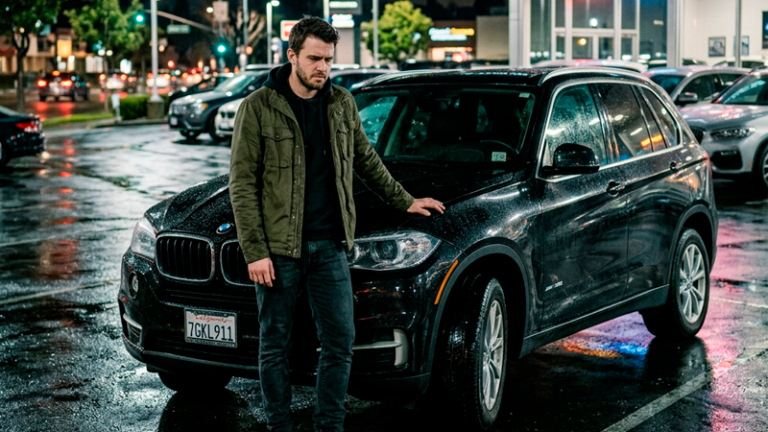
One former owner of a used BMW 750i explained that the car drove perfectly during the test drive and remained smooth for almost eight months. Then multiple warning lights appeared within the same season.
The final repair estimates passed $9,000 across six months, including suspension components, cooling issues, and electronic failures.
The vehicle itself originally cost only $14,000.
A cheap luxury car can become expensive faster than buyers emotionally prepare for.
Depreciation tricks buyers into believing the car is affordable
One reason older luxury vehicles attract so many buyers is aggressive depreciation.
A Mercedes-Benz S-Class that originally sold for over $110,000 may eventually appear online for under $20,000. That price drop feels unbelievable compared to the prestige and engineering involved.
But depreciation does not mean operating costs suddenly become economy-car cheap.
The parts remain luxury-car parts.
The labor remains luxury-car labor.
The engineering complexity remains unchanged.
This creates a dangerous mismatch between purchase affordability and ownership affordability.
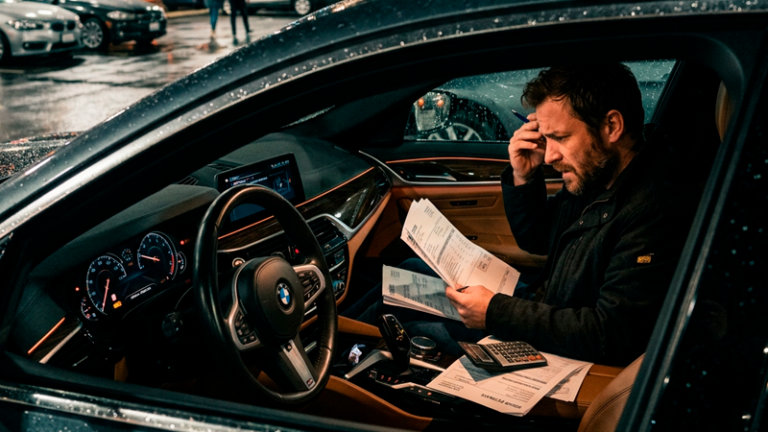
A buyer capable of spending $18,000 on a used luxury sedan may not realistically be prepared for a sudden $4,000 repair without financial stress. Meanwhile, the original owner who purchased the car new probably expected premium maintenance from the beginning.
That gap explains why many older luxury vehicles cycle through multiple short-term owners later in life.
People can afford to buy them, but many cannot comfortably afford to maintain them.
Electronics become one of the biggest long-term problems
Aging electronics create some of the most frustrating ownership experiences because diagnosis becomes unpredictable.
Luxury vehicles often introduce technology years before mainstream brands adopt it. Features that felt futuristic originally may become repair liabilities later.
Soft-close doors, adaptive air suspension, digital dashboards, motorized components, parking sensors, ambient lighting systems, and infotainment modules all age differently.
Sometimes the repairs are not catastrophic individually. The problem is accumulation.
A driver may spend $600 fixing one issue, then another $900 months later, then another $1,400 unexpectedly. Over time, ownership becomes financially exhausting.
One Audi owner described the experience perfectly by saying the car “never completely broke down, but it was never completely fine either.”
That situation is common.
Many older luxury vehicles remain drivable while continuously demanding smaller expensive repairs that slowly drain cash flow.
The psychological stress of unpredictable maintenance is something many first-time buyers underestimate badly.
Independent mechanics can save thousands if chosen carefully
Not every old German luxury car becomes a financial disaster. Ownership outcomes depend heavily on preparation.
One of the smartest decisions buyers make is avoiding dealerships whenever possible after warranty expiration.
Independent European specialists often charge dramatically lower labor rates while still understanding the vehicles properly.
A dealership charging $240 per labor hour may recommend replacing entire assemblies instead of individual components. An experienced independent mechanic might solve the same issue for half the price.
The challenge is finding trustworthy specialists before problems happen.
Buyers who purchase older German vehicles impulsively without researching parts pricing, mechanic availability, or common platform issues usually struggle the most financially.
Vehicle history matters heavily too.
A meticulously maintained BMW with complete service records can become far more reliable than a neglected example with lower mileage but inconsistent maintenance.
Mileage alone tells very little about how a luxury vehicle was treated.
Some models are dramatically safer purchases than others
One mistake many buyers make is assuming all German luxury cars behave similarly long term.
Certain engines and model generations developed strong reputations for reliability. Others became infamous for expensive failures.
Research matters enormously.
For example, some older naturally aspirated inline-six BMW engines gained loyal followings because they remained relatively durable and easier to maintain compared to newer turbocharged platforms.
Meanwhile, certain luxury SUVs became notorious for air suspension failures, oil leaks, cooling problems, or transmission repairs once mileage increased.
The dangerous part is that buyers often choose emotionally instead of logically.
A car with aggressive styling, large wheels, and premium features attracts attention online even if ownership forums consistently warn about reliability concerns.
A beautiful car with terrible long-term reliability can quietly become a financial trap.
That risk increases when buyers finance older luxury vehicles instead of paying cash. Monthly payments combined with unpredictable repairs create extremely stressful ownership situations.
Luxury cars age differently from mainstream vehicles
Many economy cars are designed around simplicity and long-term operating costs. Luxury vehicles are often optimized around experience first.
That difference changes how they age.
A ten-year-old Toyota Corolla may feel outdated but continue operating with basic maintenance. A ten-year-old flagship luxury sedan may still feel impressive while hiding enormous repair risk underneath.
Luxury cars also tend to suffer more when previous owners delay maintenance.
Skipping fluid services, suspension work, cooling maintenance, or electrical repairs creates compounding issues over time. Since some repairs are expensive, struggling owners sometimes postpone them until the next owner inherits the problems.
That cycle explains why extremely cheap luxury vehicles often become the most dangerous purchases.
The lower the price drops, the higher the probability that maintenance was deferred somewhere along the way.
Sometimes the smarter decision feels less exciting
A lot of buyers secretly know an older luxury car may not be the rational choice. They buy one anyway because the emotional experience feels rewarding.
And honestly, sometimes that experience is worth it.
Driving comfort, design, sound insulation, power delivery, and interior quality on premium German vehicles can still feel incredible years later. There is a reason enthusiasts remain loyal to these brands despite the costs.
But smart buyers enter ownership with realistic expectations instead of fantasy calculations.
They maintain emergency repair funds. They research common failures. They budget for premium tires, brakes, fuel, and labor. Most importantly, they avoid stretching their finances just to access luxury branding.
Because once the warning lights start appearing, the ownership experience changes very quickly.
And many people eventually realize they did not actually buy a cheap luxury car.
They bought an expensive car with a temporarily low price tag.