Used Performance SUVs Are Becoming Expensive Mistakes for Young American Buyers
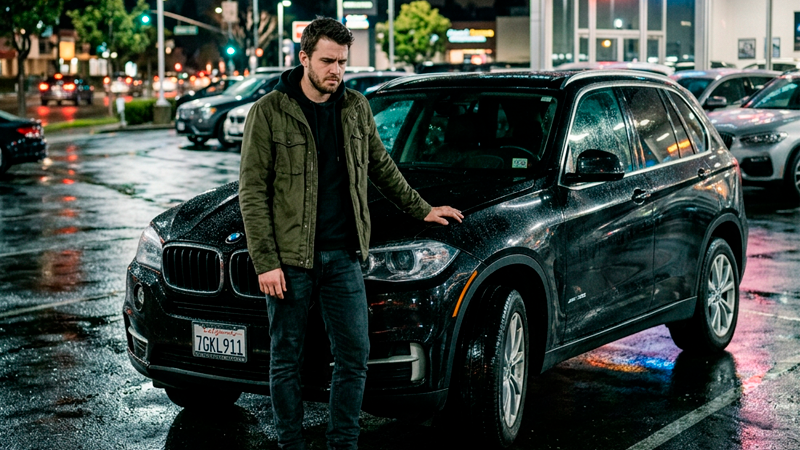
A growing number of younger drivers across the United States are getting pulled into the performance SUV market without fully understanding the long-term financial pressure attached to those vehicles. What looks exciting during a short dealership visit can quickly become a monthly burden filled with high insurance costs, unexpected maintenance bills, fuel expenses, and rapidly falling resale value.
Many buyers in their 20s and early 30s are no longer shopping only for transportation. They are shopping for lifestyle, image, and online appearance. A used luxury SUV with aggressive styling and a turbocharged engine often feels like a shortcut to success, especially when social media constantly pushes the idea that upgrading your car means upgrading your life.
But behind many of those purchases sits a very different reality.
A surprising number of drivers are spending over $1,200 per month once financing, insurance, gas, parking, and repairs are combined. Some buyers discover too late that the “affordable monthly payment” advertised online barely reflects the real ownership cost.
And unlike a bad vacation purchase or an expensive phone upgrade, a vehicle loan can follow someone financially for years.
Monthly Payments Usually Hide the Real Cost of Ownership
The biggest mistake many buyers make happens before they even sign paperwork. They focus almost entirely on the monthly payment while ignoring everything surrounding it.
A dealership may advertise a used performance SUV for $589 per month, which initially sounds manageable for someone earning decent income. But after taxes, insurance, registration, premium fuel, and maintenance, the real monthly cost can move closer to $1,000 to $1,400 per month depending on the vehicle.
That difference changes everything financially.
A buyer who originally planned to spend around 15% of monthly income on transportation may suddenly be spending 30% or more without realizing it. That creates pressure on rent, savings, emergencies, travel plans, and even basic lifestyle flexibility.
Some of the most common examples include:
- Used BMW X5 models with expensive suspension repairs
- Older Range Rovers with chronic electrical problems
- High-mileage Audi SQ5 vehicles requiring premium maintenance
- Mercedes-Benz AMG SUVs with extremely high tire and brake costs
Many younger buyers underestimate how quickly luxury maintenance compounds over time.
Replacing brakes on a standard commuter car might cost a few hundred dollars. On some performance SUVs, owners suddenly face repair invoices above $2,000 for routine wear items.
And once factory warranties disappear, repair costs become much harder to predict.
The Social Pressure Behind Modern Car Purchases Feels Stronger Than Ever
Car buying used to revolve mostly around reliability and practicality. That mindset changed significantly over the last decade.
Today, vehicles often function as part of a person’s online identity. Instagram, TikTok, YouTube, and short-form content transformed cars into status symbols that constantly appear inside daily scrolling habits. A large percentage of buyers are now influenced by creators showing luxury lifestyles financed through debt most viewers never see.
That emotional pressure quietly affects purchasing decisions more than people admit.
Someone driving a reliable older Honda or Toyota may suddenly feel “behind” after watching endless content featuring luxury SUVs, custom interiors, ambient lighting, and expensive wheel packages.
The issue becomes dangerous when people start stretching financially just to maintain a certain image.
A $42,000 used SUV financed over 72 months can become financially exhausting very quickly, especially once interest rates enter the equation. Some buyers now accept loans with interest rates above 11% or 14%, dramatically increasing the total ownership cost over time.
A vehicle that originally seemed like a smart upgrade can slowly become a source of constant stress.
Depreciation Hits Harder Than Many Buyers Expect
One of the least discussed parts of buying used performance SUVs is how aggressively some models continue losing value even after the first owner already absorbed major depreciation.
Many people assume buying used automatically protects them financially. Sometimes it does. Sometimes it absolutely does not.
Certain luxury SUVs lose value at alarming speed because repair fears grow once mileage increases. Buyers searching the used market often avoid high-mileage luxury vehicles unless prices become extremely discounted.
That creates a difficult situation for current owners trying to sell.
Some drivers discover they owe thousands more than the vehicle is worth.
Negative equity becomes especially common when buyers:
- finance for 72 or 84 months
- make very small down payments
- roll old debt into newer loans
- purchase heavily depreciating luxury models
- buy during inflated market conditions
A vehicle purchased for $48,000 may realistically trade for under $30,000 only a few years later depending on mileage and market demand.
Meanwhile, the loan balance may still remain painfully high.
That financial gap traps many owners inside vehicles they no longer even want.
Reliable Economy Models Often Deliver Better Real-Life Ownership Experiences
Something interesting has started happening recently among drivers who previously chased luxury badges.
A growing number are quietly moving back toward reliable mainstream brands after dealing with expensive ownership experiences.
Vehicles like the Toyota RAV4, Honda CR-V, and Mazda CX-5 continue attracting buyers because they balance practicality, reliability, fuel economy, and resale value far better than many older luxury SUVs.
And while these vehicles may not generate the same excitement online, they often create significantly less stress financially.
Lower repair frequency, cheaper insurance, better fuel efficiency, and stronger long-term reliability matter far more after ownership begins than they do during a test drive.
Many former luxury SUV owners eventually realize something uncomfortable:
The excitement of owning an impressive vehicle fades much faster than the monthly payment.
That realization becomes even stronger when unexpected repairs appear during financially difficult periods.
Extended Loan Terms Are Quietly Making the Situation Worse
A major reason expensive vehicle purchases became normalized is the rise of extremely long loan terms.
Ten years ago, a 72-month loan already sounded long to many buyers. Today, some dealerships regularly offer 84-month financing to make expensive vehicles appear “affordable.”
The problem is simple.
Lower monthly payments often create the illusion of affordability while massively increasing long-term financial exposure.
A buyer may spend years paying for a vehicle that is already aging rapidly.
During that time:
- repair costs increase
- warranty protection disappears
- resale value falls
- insurance remains expensive
- interest continues accumulating
And because many younger buyers move frequently, change jobs, or experience income fluctuations, large car obligations can suddenly become overwhelming.
A performance SUV financed aggressively can reduce financial flexibility for nearly a decade.
That affects far more than transportation.
It affects emergency savings, investment opportunities, relocation freedom, housing decisions, and overall financial stability.
Some Buyers Are Finally Returning to Smarter Vehicle Decisions
After years of aggressive spending habits during the post-pandemic car market boom, many consumers are becoming more cautious again.
People who once prioritized image above everything are starting to ask different questions:
- How expensive is this vehicle to maintain after 100,000 miles?
- Will insurance increase next year?
- How difficult will resale become?
- Can I comfortably afford this if my income changes?
- Am I buying this vehicle for real life or online validation?
Those questions usually lead to better long-term decisions.
A reliable vehicle that leaves room for savings often creates far less stress than an impressive vehicle that consumes most of someone’s disposable income.
That shift may not look exciting on social media, but financially, it often becomes the smarter move.
And as interest rates, insurance costs, and repair prices continue rising across the United States, more buyers are beginning to understand that the “dream SUV” can sometimes become one of the most expensive financial mistakes they ever make.