Affordable Smartwatches Often Create Bigger Costs Later
Most people buy a budget smartwatch for one simple reason. Spending $49 feels a lot safer than dropping $399 on a premium device that may end up sitting in a drawer three months later.
At first, the cheaper option usually feels like a smart decision. The screen lights up, notifications work, sleep tracking seems accurate enough, and the battery often lasts longer than expensive flagship watches. For casual users, that sounds like a win.
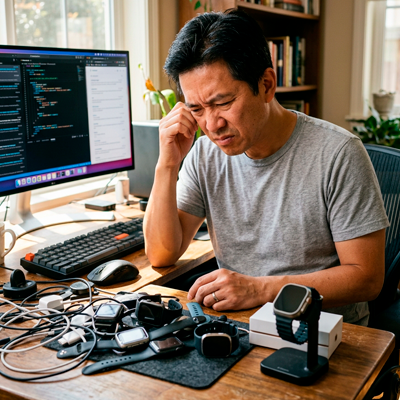
But after a year, many buyers realize the original price was only part of the cost. What looked affordable upfront can slowly turn into replacement purchases, compatibility problems, weak sensors, unreliable apps, and accessories that stop existing almost overnight.
A surprising number of people end up buying two or even three cheap smartwatches within two years. That changes the math completely.
The low price hides how quickly many models age
A lot of budget smartwatch brands compete aggressively on specifications. You will often see promises like “10-day battery life”, “AI health tracking”, or “military-grade durability” attached to watches under $80.
Some of those features technically work. The problem is consistency.
Many lower-cost watches rely on companion apps that receive minimal updates after launch. After an Android or iPhone update, users sometimes discover that notifications arrive late, Bluetooth randomly disconnects, or health data stops syncing correctly.
That issue becomes worse with smaller brands.
A company selling a $59 smartwatch today may completely disappear from the market next year. When that happens, firmware support usually disappears too. Suddenly, a device that still physically works starts feeling outdated because the software slowly breaks around it.
Most buyers never calculate software lifespan before purchasing wearable tech. They compare screen size, battery numbers, and watch faces instead.
That mistake gets expensive faster than people expect.
Cheap sensors create misleading health data
One of the biggest hidden problems with low-cost smartwatches is sensor quality.
Many watches advertise heart-rate tracking, stress monitoring, blood oxygen readings, sleep analysis, and workout detection. But in real-world use, accuracy varies massively between brands.
A smartwatch that incorrectly tracks sleep by two hours may not seem like a huge issue initially. But people often make decisions based on those numbers. Some users change training intensity, caffeine intake, or even supplements because their watch reports poor recovery scores.
Fitness trainers have repeatedly pointed out that inconsistent data can become worse than having no data at all.
Budget watches also tend to struggle during workouts involving movement variation, especially weight training, cycling, or interval running. Heart-rate spikes may appear delayed by 20 to 40 seconds, which makes calorie calculations unreliable.
That becomes frustrating over time because users slowly stop trusting the device.
Ironically, many people then justify purchasing a second smartwatch from a more established brand. The original “cheap” purchase becomes wasted money instead of savings.
Battery life claims rarely match long-term use
Battery life is one area where cheaper smartwatches often outperform premium models initially. Some budget devices genuinely last seven to twelve days during the first months.
But battery degradation hits lower-cost wearables harder than many buyers expect.
After a year, it is common to see devices that once lasted eight days suddenly needing charging every two or three days. In some cases, features like always-on display or continuous heart monitoring become unusable because battery drain increases so aggressively.
What makes this worse is repairability.
Most budget smartwatches are essentially disposable electronics. Battery replacement often costs nearly as much as the watch itself, assuming replacement parts even exist. Many repair shops simply refuse the service because opening the device risks damaging the screen or waterproof seals.
That creates a cycle where users repeatedly replace low-cost devices instead of maintaining one reliable product longer.
A person who buys three $70 watches across three years may quietly spend more than someone who bought a durable $220 device once.
Compatibility problems usually appear later
During the first setup, most smartwatches feel compatible enough with modern phones.
The real issues often begin months later.
Some cheaper wearables lose support for newer iOS or Android versions surprisingly fast. Features like quick replies, app notifications, voice assistants, or music controls may partially stop functioning after phone updates.
This becomes especially annoying for iPhone users.
Several lower-cost smartwatch brands advertise “iPhone compatible,” but the experience can feel extremely limited compared to devices designed specifically for Apple’s ecosystem. Users may lose advanced notification controls, stable syncing, or seamless app integration.
Android users face different frustrations. Certain budget watches work perfectly with Samsung phones but behave inconsistently on Motorola, Xiaomi, or Google Pixel devices.
Most buyers do not research long-term ecosystem support before purchasing. They assume Bluetooth compatibility means everything will continue working normally for years.
That assumption often fails.
Accessories disappear faster than people expect
One detail many shoppers ignore is accessory availability.
Premium smartwatch ecosystems usually support years of replacement bands, chargers, cases, and screen protectors. Budget models often disappear from online stores within months.
Losing a charger becomes a surprisingly expensive problem when replacement parts are impossible to find locally.
The same applies to straps.
A lot of cheaper watches use proprietary band systems instead of universal connectors. Once the original strap wears out or breaks, users may struggle to find replacements that fit correctly.
This sounds minor until the watch becomes uncomfortable or unusable because of a damaged band.
Small accessory problems are one of the biggest reasons people abandon wearable devices early.
Many people buy features they never actually use
There is another overlooked issue in the smartwatch market that has little to do with quality.
A large percentage of buyers simply overestimate how much they will use smartwatch features after the first month.
At the beginning, users track sleep every night, monitor steps constantly, check oxygen levels, and analyze workout reports. After several months, many stop opening the health app entirely.
The watch then becomes little more than a notification screen.
That is why some people are actually happier with extremely simple wearables or even no smartwatch at all. They realize they mainly needed silent notifications, alarms, and occasional fitness tracking — not advanced biometric analysis.
Spending less only makes sense when the product still matches real habits a year later.
Otherwise, buyers end up chasing features instead of solving an actual problem.
The smarter purchase is not always the cheapest one
A surprisingly effective strategy is buying slightly older premium smartwatches instead of brand-new ultra-budget models.
For example, a two-year-old flagship watch from a major brand often delivers:
- Better long-term software support
- More accurate sensors
- Higher-quality materials
- Easier accessory replacement
- Stronger resale value
- More stable phone compatibility
That does not mean everyone should spend hundreds of dollars on wearables.
Many people genuinely only need a simple fitness tracker under $80. But buyers who expect to use a smartwatch daily for years should think beyond the launch price.
The long-term experience matters more than the unboxing experience.
A smartwatch that remains reliable after 24 months usually costs less overall than repeatedly replacing cheaper models that slowly become frustrating to use.
And that is the part many shoppers only realize after the second or third purchase sitting forgotten inside a drawer.