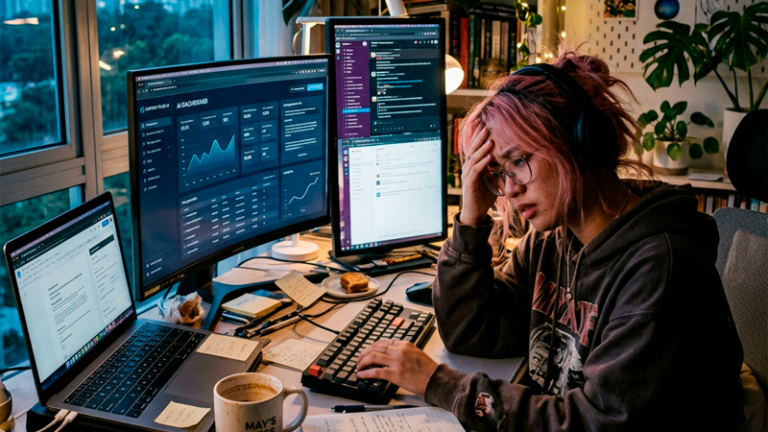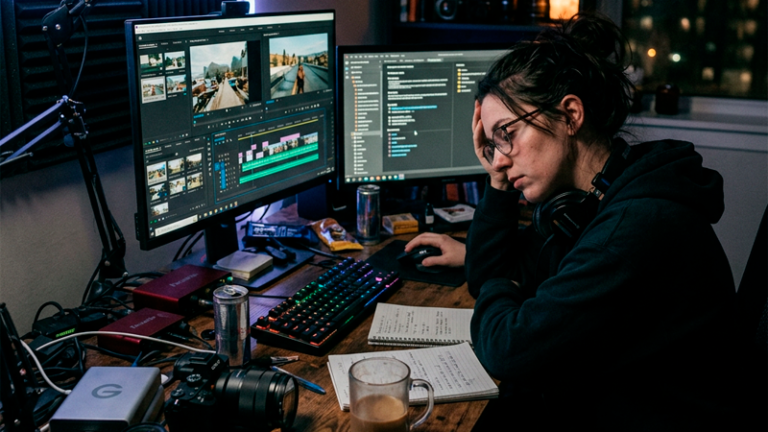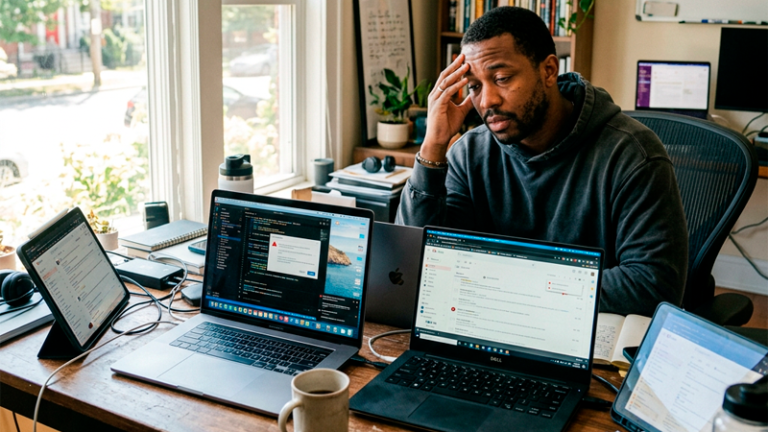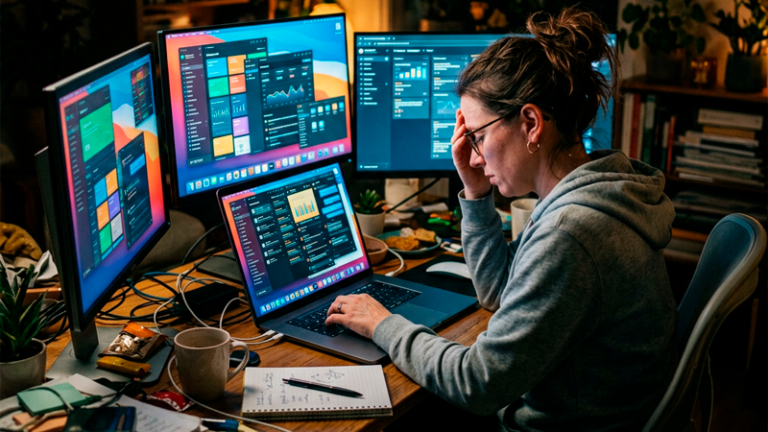
Free Productivity Tools Often Lead to More Distraction and Clutter
A lot of people download productivity apps hoping to feel more organized.
One app for tasks. Another for notes. Another for calendars. Then comes habit tracking, project management, AI scheduling, document syncing, focus timers, and collaboration tools.
At first, the setup feels efficient.
Everything looks cleaner. Notifications feel motivating. The interface creates the impression of control. Many free productivity apps are designed extremely well visually, which makes users feel productive before they actually improve anything.
But after several months, many people realize something uncomfortable.
Their digital life became harder to manage, not easier.
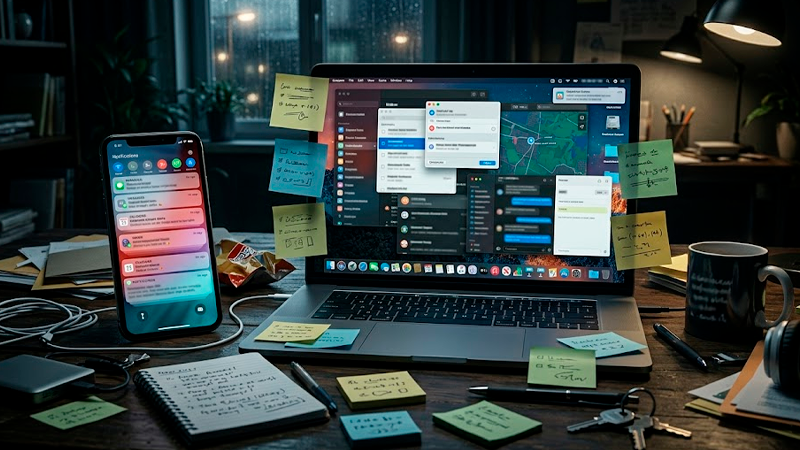
Tasks exist across five platforms. Notifications never stop. Notes become impossible to find. Multiple apps duplicate the same information differently. Some tools require daily maintenance just to stay organized.
Ironically, people trying to simplify their workflow often end up building a second job around managing productivity systems themselves.
Most free productivity apps depend on constant engagement
Many users assume free apps exist mainly to help them work better.
In reality, a lot of these platforms survive by maximizing retention, behavioral data, upgrades, or subscriptions. That changes how products are designed.
A productivity tool that quietly solves problems and disappears from attention is not always the most profitable model. Instead, many apps encourage continuous interaction through reminders, streaks, inbox counters, progress tracking, and engagement systems.
Some notifications are genuinely useful. Others simply pull users back into the platform repeatedly throughout the day.
Over time, constant productivity reminders can create mental fatigue instead of clarity.
Someone using six different work apps may receive dozens of notifications daily even during periods with relatively low workload. That constant interruption fragments concentration more than people realize.
One overlooked issue is that digital organization tools often create invisible maintenance work. Users spend time reorganizing folders, renaming tasks, archiving projects, adjusting labels, syncing integrations, or rebuilding workflows after software updates.
The system itself slowly becomes part of the workload.
Many people confuse planning with actual progress
This happens constantly with productivity software.
Designing the perfect workflow feels satisfying. Creating dashboards feels productive. Organizing categories creates the impression of momentum. But many users spend more time optimizing systems than completing meaningful work.
This problem became more common after social media popularized aesthetic productivity culture.
Minimalist dashboards, colorful task boards, synchronized calendars, and advanced workspace setups now appear constantly online. Some people begin treating productivity tools almost like hobbies rather than functional systems.
A freelance designer may spend three hours customizing templates instead of finishing client revisions. A small business owner builds elaborate project boards while delaying difficult operational decisions.
The tools themselves are not necessarily harmful.
The issue is that digital organization creates emotional comfort because it feels safer than execution. Rearranging tasks feels easier than making uncomfortable phone calls, writing proposals, or solving financial problems.
That subtle psychological trap keeps many users permanently “busy” without moving forward significantly.
Cloud convenience creates long-term dependency risks
Free productivity platforms often encourage users to centralize everything.
Notes, files, calendars, passwords, invoices, personal journals, work projects, customer information, and reminders all become connected inside one ecosystem. Initially, this feels extremely convenient.
Then pricing models change.
Some apps reduce free storage dramatically. Others place important features behind subscriptions after users become dependent on the platform. A few shut down entirely or remove integrations people relied on daily.
At that point, switching becomes difficult.
Migrating years of notes, documents, workflows, and linked systems takes time most users do not have. As a result, people often continue paying for tools they originally adopted specifically because they were free.
This is especially common among freelancers and remote workers.
A creator using free project management software may eventually need premium collaboration features. A consultant storing thousands of client notes may suddenly face storage limitations. The longer users stay inside one ecosystem, the more expensive leaving usually becomes.
That dependency rarely feels dangerous at first because the transition happens slowly.
Too many productivity tools reduce decision quality
One surprising consequence of digital clutter is decision exhaustion.
Every app introduces choices:
- Which system should store this note?
- Which calendar is correct?
- Which task board is updated?
- Which reminder matters most?
- Which workspace contains the newest file?
Individually, those decisions seem small. Repeated constantly, they create cognitive pressure.
Some people unknowingly spend large portions of the day navigating between systems instead of focusing deeply on one task. Browser tabs multiply. Notifications overlap. Information becomes fragmented across disconnected platforms.
This environment makes prioritization harder.
When everything appears organized visually, urgent problems can become hidden inside endless digital lists. Some users begin relying so heavily on reminders that they lose natural awareness of priorities altogether.
One interesting insight is that high-performing professionals often use fewer systems than expected. Many successful operators rely on extremely simple workflows because simplicity reduces friction.
A clean notebook, a basic calendar, and one reliable task manager often outperform complicated productivity stacks overloaded with automation.
Subscription creep quietly turns organization into a monthly expense
Most productivity apps appear inexpensive individually.
$4 per month for cloud storage. $9 for project management. Another $12 for premium AI features. Then note-taking subscriptions, password managers, automation tools, and collaborative workspaces.
Individually, those costs seem harmless.
Combined, many professionals now spend over $100 monthly maintaining digital workflows before doing any actual revenue-generating work. For freelancers or small businesses operating with inconsistent income, those recurring charges accumulate surprisingly fast.
Some users also underestimate indirect costs.
Older laptops slow down under dozens of background syncing services. Battery life worsens. Browser performance declines. File duplication increases storage usage unnecessarily.
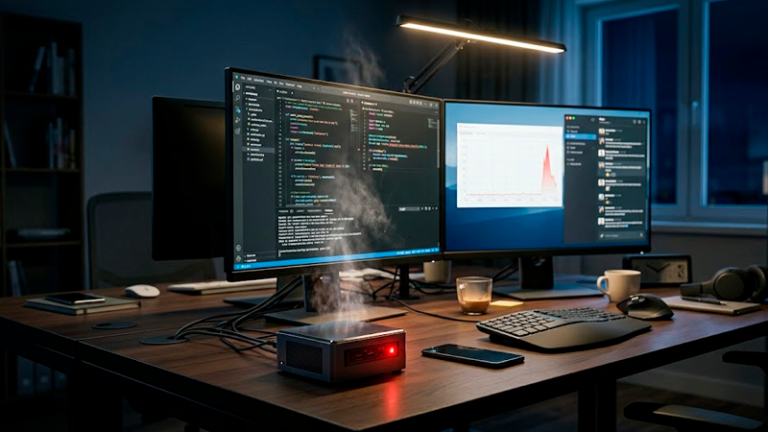
In some cases, digital clutter begins affecting physical productivity environments too. Desktops become overloaded with windows, notifications, cables, backups, and disconnected systems competing for attention.
The original goal of simplicity quietly disappears.
The most effective digital systems are usually boring
Highly functional workflows rarely look impressive online.
They tend to feel repetitive, minimal, and stable. Fewer apps. Fewer notifications. Fewer integrations. Less customization. More consistency.
That simplicity matters because every additional tool creates another possible failure point.
People managing serious workloads often prioritize reliability over novelty. They prefer systems that continue working smoothly for years instead of constantly chasing new productivity trends.
One small business owner reportedly reduced internal software usage from eleven platforms to four after employees complained about communication confusion. Within months, response times improved because workers spent less time switching contexts constantly.
That outcome surprises many people because modern digital culture often encourages adding more tools whenever productivity feels weak.
Sometimes the opposite approach works better.
Removing friction, reducing notifications, consolidating systems, and accepting simpler workflows can improve focus faster than downloading another “life-changing” app.
Because eventually, productivity stops being about organizing every detail perfectly.
It becomes about protecting attention from constant digital noise.