Third Places Are Quietly Disappearing From American Cities
There used to be places where people could exist without spending much money.
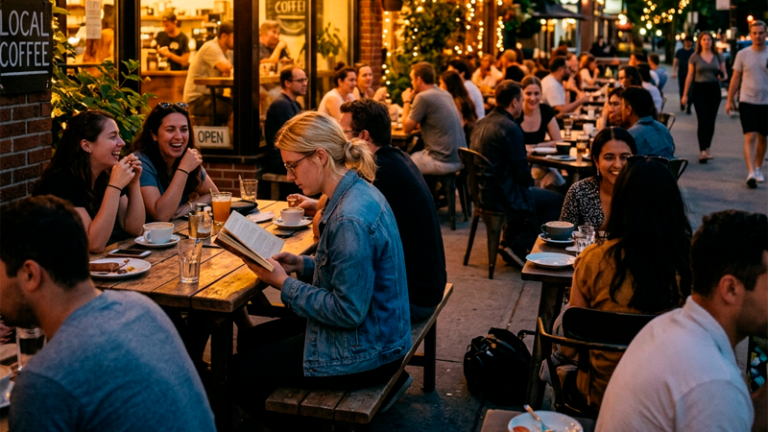
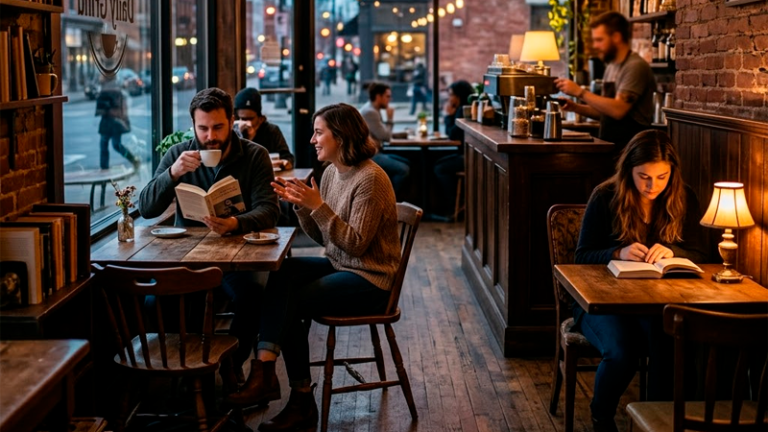
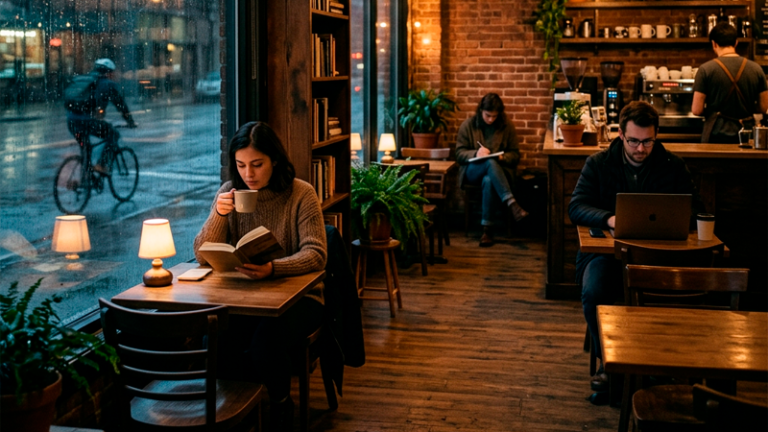
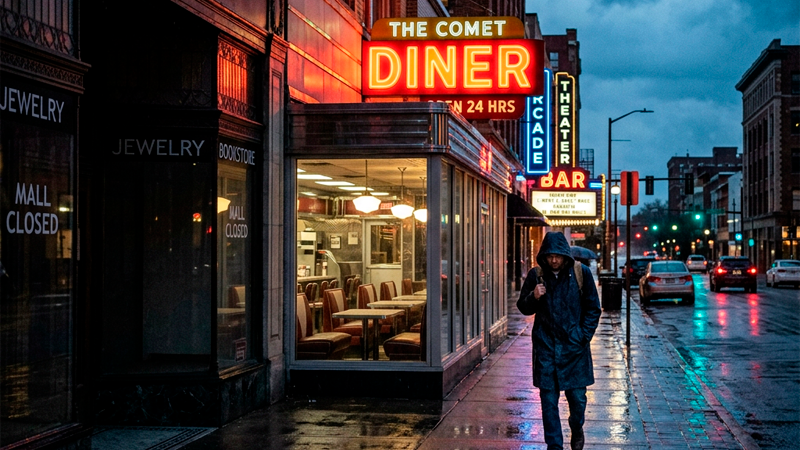
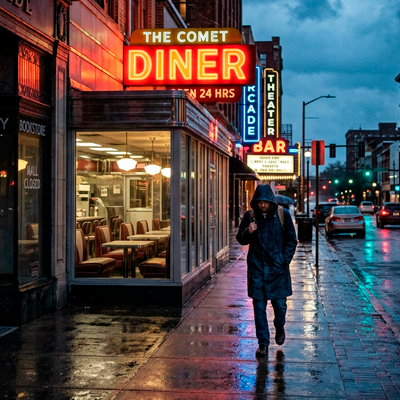
A neighborhood diner. A late-night coffee shop. A bookstore with chairs nobody questioned. A bowling alley that stayed open until midnight. Even a small mall food court where teenagers could sit for hours after school.
Those places mattered more than most people realized.
They gave people somewhere to go between work and home. Somewhere to socialize without planning an expensive night out. Somewhere relationships formed naturally instead of through scheduled apps and calendar invites.
Now many of those spaces are disappearing.
And the consequences are becoming harder to ignore.
A growing number of Americans feel socially disconnected not because they dislike people, but because casual public spaces have become increasingly difficult to access.
A Simple Night Out Now Feels Financially Calculated
One reason “third places” are fading is obvious once people start adding up prices.
A casual evening that once cost $15 or $20 can now easily reach:
- $8 coffee drinks
- $22 burgers
- $14 cocktails
- $25 parking fees
- $40 rideshare trips
Even low-pressure social spaces now come attached to spending expectations.
People notice it immediately when they try to meet friends casually. Someone suggests grabbing coffee, but the total quietly reaches $35 for two people after tax and tips. A simple group hangout at a restaurant becomes a $120 evening without anyone intentionally overspending.
The financial pressure changes how often people leave home, especially younger adults dealing with rent increases, student loans, and rising insurance costs.
As a result, social interaction starts becoming selective instead of spontaneous.
People begin asking themselves:
- Is this worth the money?
- Should I stay home instead?
- Can I afford doing this every weekend?
That constant calculation slowly changes community behavior.
Remote Work Solved One Problem While Creating Another
A lot of workers initially loved remote work for understandable reasons.
No commuting.
No office politics.
More flexibility.
Lower transportation costs.
But over time, many remote employees realized they accidentally lost something important.
Work used to create passive social interaction.
Even people who disliked office culture still experienced:
- lunch conversations
- casual jokes
- hallway interactions
- after-work meetups
- regular face-to-face contact
Remote work eliminated many of those moments overnight.
For some workers, especially people living alone, daily interaction dropped dramatically. A person can now spend:
- eight hours working online
- ordering food through apps
- streaming entertainment at night
- texting instead of meeting physically
A fully digital routine can quietly shrink someone’s real-world social circle without them noticing immediately.
That isolation becomes even stronger when cities offer fewer affordable gathering spaces outside the home.
Shopping Centers Stopped Feeling Like Community Spaces
Older malls were not just shopping destinations.
They were cultural environments.
Teenagers walked around for hours without buying much. Families spent entire afternoons indoors during bad weather. Elderly residents used malls for walking and socializing. People treated food courts almost like public squares.
Modern retail economics changed that dynamic.
As online shopping grew, malls increasingly focused on:
- luxury tenants
- aggressive sales environments
- shorter visits
- premium dining
- high-revenue experiences
At the same time, many malls removed seating areas, reduced public gathering spaces, or redesigned layouts to discourage loitering.
Places that once encouraged lingering now prioritize rapid consumer turnover.
That shift changed behavior more than many city planners expected.
A person who once casually spent three hours around other people may now simply stay home scrolling through social media instead.
Ironically, digital connection expanded while physical community interaction became less common.
Younger Generations Spend More Time Alone Than Previous Decades
A growing amount of cultural research points toward increasing social isolation among younger adults.
Part of this comes from economics.
People working multiple jobs or side gigs have less time for spontaneous social life. Rising rent prices push many residents farther from city centers, making casual meetups harder. Car ownership costs, parking fees, and transportation expenses also create friction around simple social plans.
But technology changed behavior too.
Streaming replaced movie nights.
Gaming replaced local hangouts.
Food delivery replaced restaurants.
Group chats replaced random visits.
None of these things are inherently bad individually.
The issue appears when digital convenience replaces nearly all physical interaction.
Many younger adults now maintain constant online communication while simultaneously reporting higher loneliness levels than previous generations.
That contradiction surprises a lot of people.
Someone may receive hundreds of notifications daily while still feeling socially disconnected in real life.
Libraries Quietly Became One of the Last Free Public Spaces
One overlooked detail in this conversation is how valuable libraries have become again.
Modern public libraries are no longer only about books.
Many now provide:
- free internet
- workspaces
- community events
- study rooms
- language programs
- public classes
- local networking opportunities
Most importantly, they allow people to exist without requiring constant spending.
That matters more than it sounds.
A person can spend hours inside a library without pressure to purchase drinks, subscriptions, meals, or tickets. In many cities, libraries remain one of the few indoor public spaces where people are still welcome simply to stay.
As commercial spaces become increasingly transactional, free community environments become culturally more important.
The challenge is that libraries alone cannot replace every missing social environment that disappeared over the last two decades.
Cities Feel Different When Casual Interaction Disappears
One subtle consequence of disappearing third places is reduced community familiarity.
People stop recognizing neighbors.
Local friendships weaken.
Regular social routines disappear.
That changes how cities emotionally feel to residents.
Neighborhoods become collections of private apartments instead of active social ecosystems. People travel from home to work to errands without many unscheduled interactions in between.
Even dating culture changes under those conditions.
Instead of naturally meeting through shared spaces, many people now rely heavily on apps because organic interaction opportunities became less common.
When public gathering spaces shrink, entire social behaviors start shifting with them.
That includes:
- friendships
- dating
- networking
- local culture
- community trust
- neighborhood identity
Many residents feel those changes emotionally long before they fully understand what caused them.
FAQ
What exactly is a third place?
A third place refers to a social environment outside home and work where people gather casually. Common examples include:
- coffee shops
- parks
- libraries
- diners
- community centers
- bookstores
- local bars
These places help create regular social interaction without requiring formal events.
Why are third places becoming less common?
Several factors contribute:
- rising commercial rent
- changing consumer habits
- online entertainment
- remote work
- high operating costs
- increased focus on profitable customer turnover
Many businesses can no longer afford large low-spending gathering areas.
Are younger adults actually spending more time alone?
Yes. Multiple studies and cultural reports have shown increasing isolation and reduced in-person socialization among younger generations, especially after the rise of remote work and digital entertainment ecosystems.
Can cities rebuild community-oriented spaces?
Some cities are trying through:
- public parks
- mixed-use developments
- walkable neighborhoods
- local event programs
- community-centered libraries
However, affordability remains a major challenge for maintaining accessible social spaces.
People Miss Community More Than They Sometimes Admit
Most conversations about loneliness focus heavily on psychology or technology.
But environment matters too.
It becomes harder to build relationships when casual social spaces disappear, daily routines move online, and nearly every public outing comes attached to spending pressure.
Many Americans are not necessarily avoiding community.
They are navigating a culture where community has quietly become more expensive, more scheduled, and less physically available.
And once those informal spaces disappear, people often realize how important they were only after they are gone.