American Cities Are Losing More Community Spaces Than People Realize
A lot of people feel more isolated today, but many struggle to explain why.
They still go to work. They still scroll social media for hours. They still live near thousands of other people. Yet daily life often feels strangely disconnected.
Part of the reason is that many traditional “third places” have slowly disappeared from American cities over the last two decades.
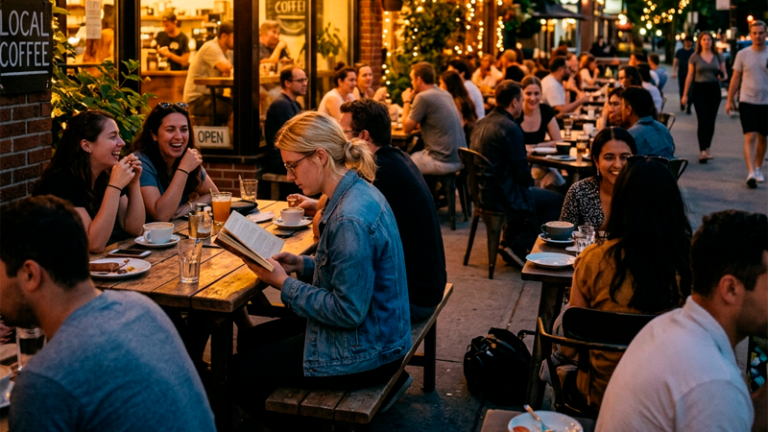
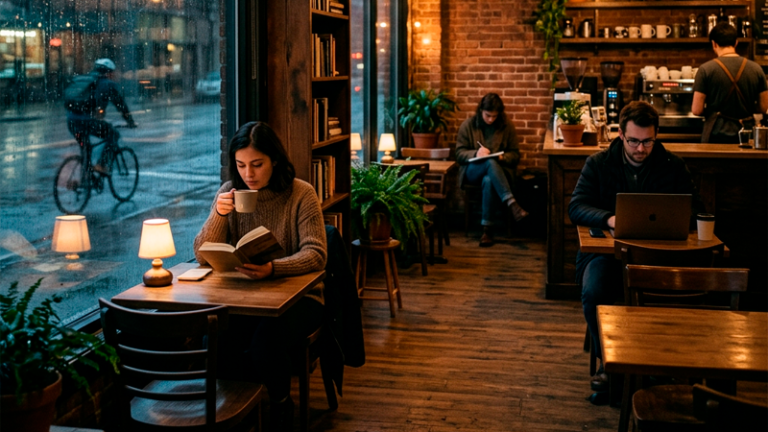
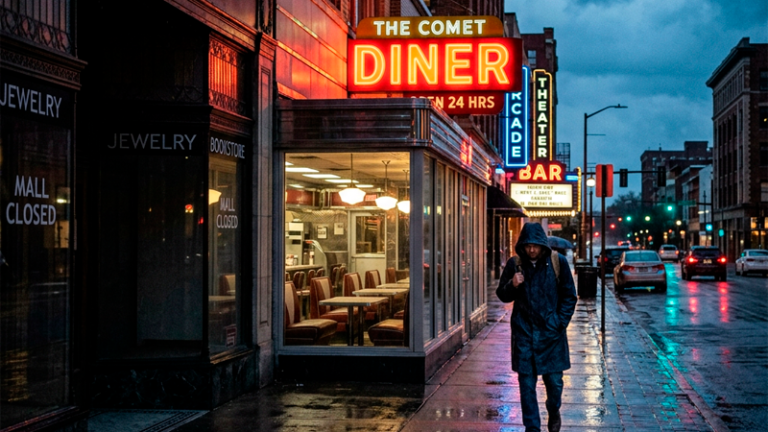
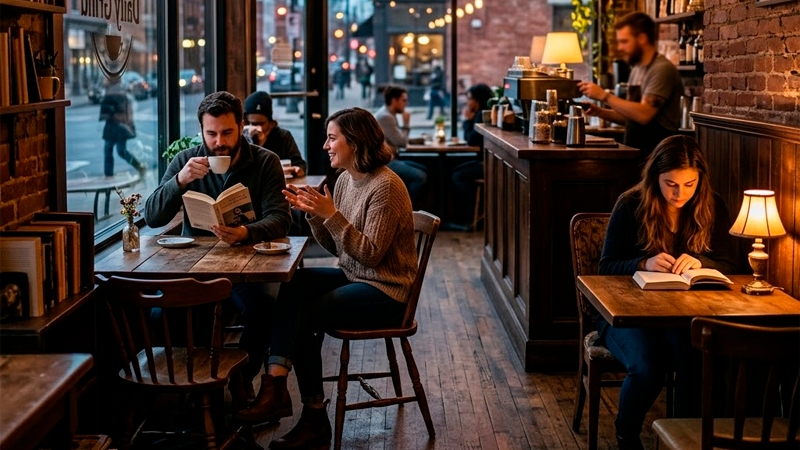
Home is the first place. Work is the second. Third places are everything in between. Coffee shops where people stay for hours. Small diners with regular customers. Bookstores with couches. Community recreation centers. Local music venues. Cheap neighborhood bars. Public gathering spaces where people spend time without pressure to constantly buy something.
Many of those places still exist physically. But their purpose has changed dramatically.
Some became too expensive. Others became temporary social media backdrops instead of community spaces. Many simply stopped being financially sustainable.
The result is subtle but powerful. People now spend more time alone while technically being surrounded by others all day.
Modern cities became less friendly to casual community life
A surprising number of older third places disappeared because cities became more optimized for efficiency and profit.
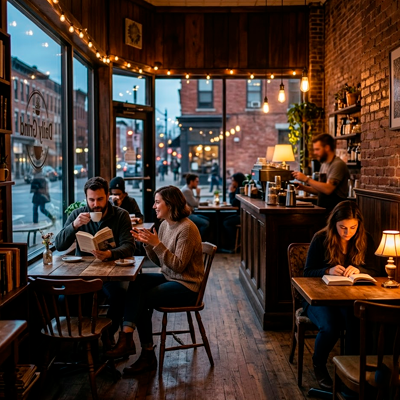
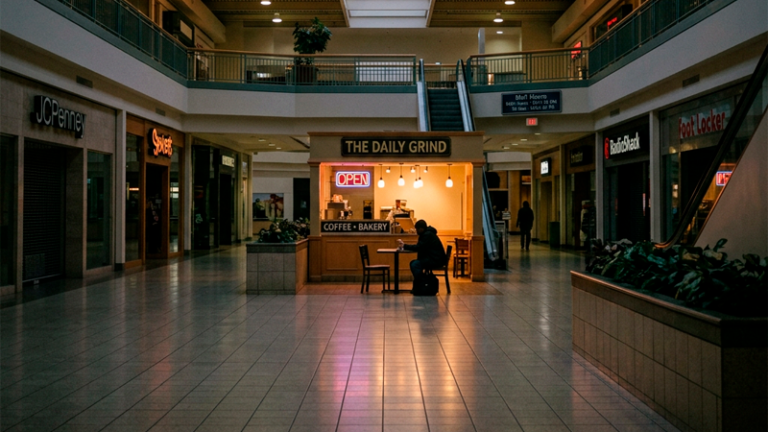
In the 1990s, many independent coffee shops expected customers to stay for long conversations. Small bookstores hosted local events without needing every visitor to spend money immediately. Mall food courts became informal meeting points for teenagers and families.
Today, many businesses cannot financially survive that model anymore.
Commercial rent in some major American cities increased so aggressively that owners had to redesign spaces around faster customer turnover. A customer occupying a table for three hours with a single coffee purchase no longer makes economic sense in expensive neighborhoods.
This changed the atmosphere completely.
A lot of modern cafes now feel intentionally temporary. Hard chairs. Loud music. Limited outlets. Smaller tables. Minimal privacy. Businesses quietly encourage people to leave faster even without saying it directly.
Some urban planners argue that cities became better for productivity but worse for belonging.
That tradeoff affects people more than they realize.
Subscription culture replaced many low-cost social habits
One overlooked shift is financial.
Years ago, social activity was often cheap or free. Teenagers spent entire evenings walking through malls. Friends gathered at diners after work without calculating every dollar. Community spaces felt more accessible to middle-income families.
Now, many social activities require continuous spending just to participate regularly.
Movie tickets for two people can easily reach $45 after snacks. Casual brunch in some cities costs over $70 with tips included. Fitness studios, coworking memberships, gaming lounges, and entertainment venues increasingly operate through monthly subscriptions.
Even coffee culture changed.
A simple café visit that once cost a few dollars can now turn into a $19 outing after specialty drinks, parking, and taxes. People begin staying home more often not because they dislike social interaction, but because casual socializing quietly became expensive.
That financial pressure changes behavior.
Many younger adults now invite friends to apartments instead of public spaces. Others replace physical interaction with Discord servers, gaming communities, TikTok, or group chats because digital socializing feels cheaper and easier.
The problem is that online interaction rarely replaces spontaneous real-world connection completely.
Remote work created flexibility but also reduced accidental interaction
A lot of workers genuinely prefer remote jobs. No commute. Less office politics. More control over daily schedules.
But something subtle disappeared alongside office life.
Before remote work became widespread, people experienced regular accidental interaction. Conversations in elevators. Lunch breaks with coworkers. Small routines at nearby cafés. Familiar faces on public transit.
Those interactions mattered more than people realized.
Now, many professionals spend entire workdays inside apartments speaking mostly through Slack messages and Zoom calls. Some workers report going multiple days without having an in-person conversation outside their household.
This is especially noticeable in cities where remote workers relocated into expensive luxury apartments designed more for privacy than community.
Ironically, people may now have more personal freedom while feeling less socially connected at the same time.
One non-obvious consequence is that social skills themselves can slowly weaken without regular low-pressure interaction. Casual conversation becomes harder when daily practice disappears.
That creates a cycle where isolation makes future socializing feel more uncomfortable.
Social media changed how public spaces are used
Many public spaces still appear crowded. Restaurants are full. Events sell out. Coffee shops stay busy.
But the way people use those spaces changed significantly.
Some environments now feel performative rather than communal. Visitors rotate quickly through locations taking photos, filming content, or posting updates before leaving. Businesses increasingly design interiors around visual branding instead of comfort or conversation.
A local café with soft lighting and oversized chairs may struggle financially compared to a visually trendy location optimized for Instagram traffic.
This affects behavior subconsciously.
People become more aware of appearance in public spaces. Conversations become shorter. Phones remain visible constantly. Silence feels uncomfortable because attention is divided between physical interaction and digital presence.
Even nightlife changed in many cities. Some bars now feel quieter socially despite being physically louder because groups remain focused on their own circles and devices.
The atmosphere becomes less open to spontaneous interaction with strangers.
Older generations often describe this change immediately when revisiting neighborhoods they once knew well.
Some communities are quietly rebuilding third places differently
Not every city is losing community space at the same pace.
Interestingly, some smaller towns and mid-sized cities are seeing renewed interest in low-pressure gathering spaces. Independent cafés with board games. Community workshops. Local running clubs. Public markets. Hybrid bookstores serving coffee and hosting events.
These spaces succeed because they offer something digital life struggles to replicate.
Predictable human presence.
A familiar environment where people return repeatedly creates emotional stability over time. Regular customers slowly recognize each other. Conversations become easier. Small routines form naturally.
Some businesses now intentionally design around this idea instead of maximizing rapid customer turnover.
One bookstore owner in Ohio reportedly removed several retail shelves to add larger seating areas after noticing that customers who stayed longer returned more frequently overall. Immediate revenue per visit dropped slightly, but long-term customer loyalty increased substantially.
That insight matters because many people are not necessarily looking for entertainment anymore.
They are looking for familiarity.
The long-term consequences may become more visible soon
The disappearance of third places affects more than loneliness.
It changes dating culture, local business survival, neighborhood trust, political discussion, youth independence, and even mental health patterns. People who rarely interact casually with strangers often become more anxious in public environments over time.
Children and teenagers feel this shift too.
Previous generations spent more unsupervised time in malls, parks, arcades, and public spaces. Many of those environments either disappeared, became heavily commercialized, or grew less accessible due to safety concerns and rising costs.
As a result, younger people now experience fewer low-stakes social environments where confidence naturally develops.
Cities may continue growing economically while becoming emotionally colder at the same time.
And many people will not fully notice what disappeared until they realize how difficult it became to casually exist somewhere without needing a reservation, a subscription, a purchase, or a reason to leave quickly.