Third Places Are Quietly Disappearing From American Life
A lot of people feel something is missing socially, even if they cannot explain it immediately.
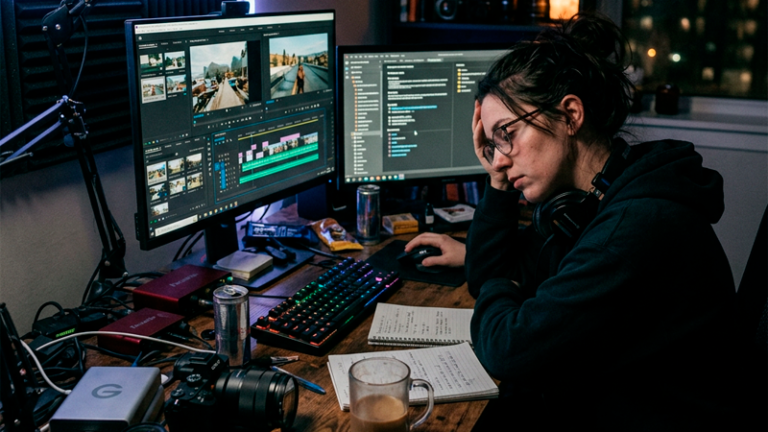
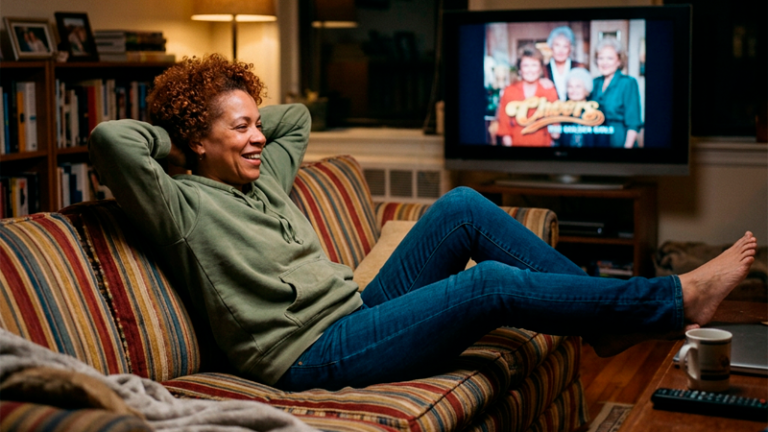
They still go to work. They still text friends. They still scroll through social media every night. But many adults quietly feel more isolated, more mentally exhausted, and strangely disconnected from the people around them.
Part of that feeling comes from the slow disappearance of what sociologists once called “third places.”
Home is the first place.
Work is the second.
Third places were the spaces in between — the places where people casually existed around others without pressure, appointments, or algorithms controlling the interaction.
For decades, Americans naturally spent time in:
- coffee shops
- bookstores
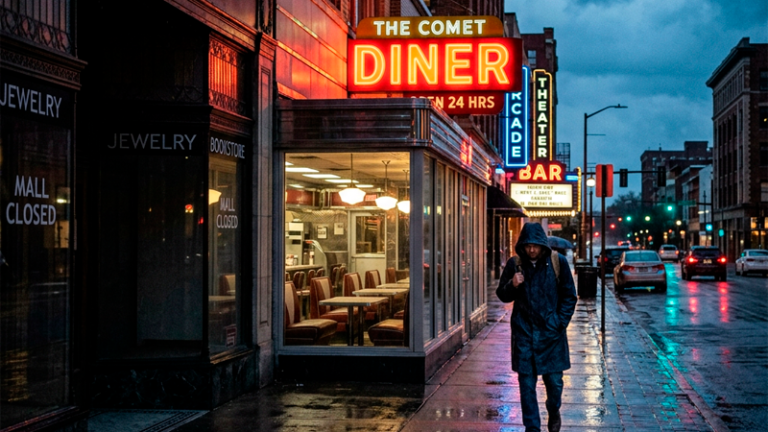
- diners
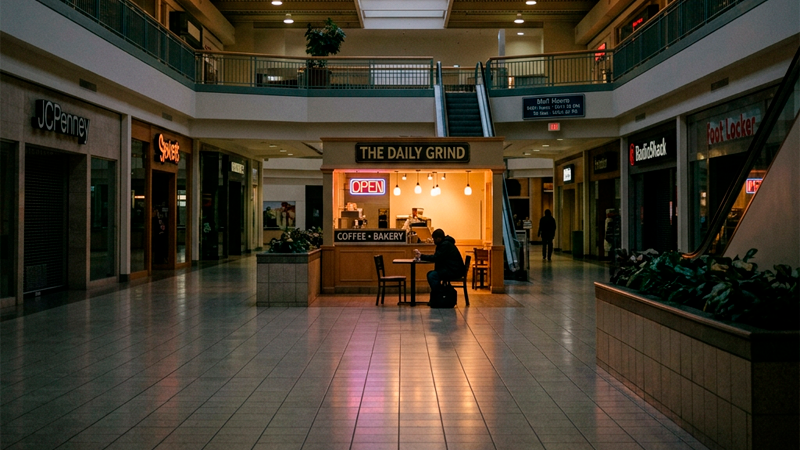
- malls
- local bars
- community centers
- music venues
- neighborhood parks
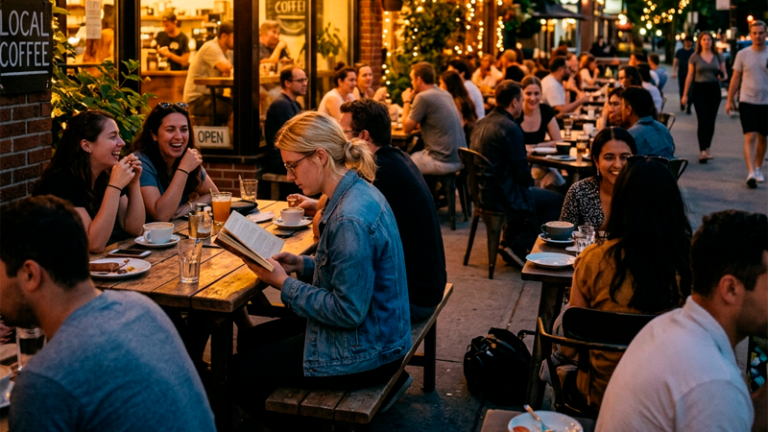
Those spaces created spontaneous conversations, friendships, and routines that made cities feel socially alive.
Now many of those places are becoming either too expensive, too commercialized, or completely inaccessible for average people.
And the cultural effects are becoming impossible to ignore.
A Simple Cup of Coffee Quietly Became a Luxury Expense
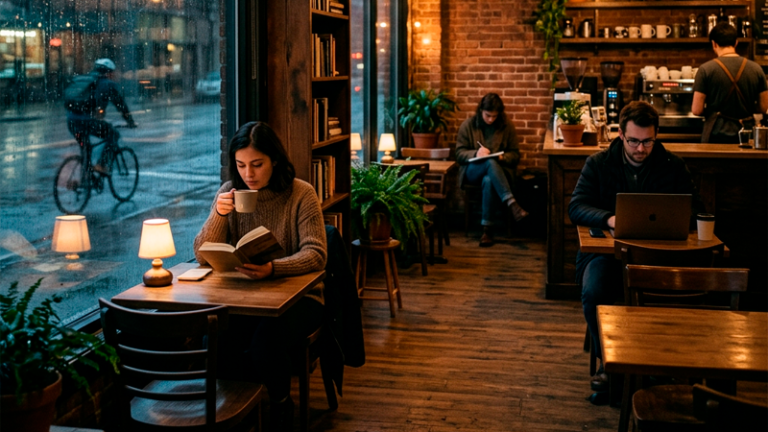
Years ago, people could spend hours inside local cafés with minimal pressure to constantly purchase things.
Today, many social spaces feel financially restrictive almost immediately.
A casual coffee outing that once cost $4 or $5 can now easily become:
- $18 breakfasts
- parking fees
- app tips
- premium drinks
- delivery markups
- automatic service charges
For younger adults already dealing with:
- rising rent
- student loans
- unstable income
- expensive healthcare
even basic social routines start feeling financially irresponsible.
That changes behavior more than people realize.
When everyday social spaces begin feeling expensive, people slowly stop showing up.
The result is subtle at first.
Coffee shops become temporary workspaces instead of community spaces. Restaurants rotate customers faster. Independent bookstores disappear. Smaller venues struggle to survive against rising commercial rent.
Eventually, entire neighborhoods start losing places where people casually gather without needing a major financial reason.
Phones Replaced Boredom and Changed Public Interaction
One cultural shift quietly changed public life more than many expected.
People no longer experience boredom the same way.
A waiting room, train ride, or quiet café once created opportunities for small interactions because people looked around the environment naturally.
Now silence gets filled instantly through:
- TikTok
- YouTube
- texting
- podcasts
- endless scrolling
That habit reshaped public behavior completely.
Someone sitting alone in a café today often appears mentally somewhere else entirely, even while surrounded by people.
The modern phone became both a comfort tool and a social barrier at the same time.
This affects younger generations especially hard because many social experiences now begin digitally instead of physically.
People technically communicate more than ever before.
Yet many still report feeling:
- socially disconnected
- emotionally exhausted
- isolated in crowds
- uncomfortable starting conversations offline
Digital interaction solved convenience problems while quietly weakening spontaneous social behavior.
Shopping Malls Used To Function Like Community Centers
Older Americans often describe malls very differently from younger generations.
For many teenagers during the 1980s, 1990s, and early 2000s, malls were not just shopping destinations. They were social ecosystems.
People spent entire afternoons there without necessarily buying much.
Friends wandered through stores. Couples went on casual dates. Teenagers developed independence. Families treated malls almost like indoor public squares.
Today, many malls feel completely different.
Some became:
- luxury retail spaces
- partially abandoned properties
- fulfillment centers
- overpriced entertainment zones
Others disappeared entirely.
Online shopping changed consumer habits dramatically, but it also removed one of the few indoor social environments where people casually interacted without formal planning.
A surprising amount of American social life quietly existed inside places people once considered ordinary.
Once those places vanished, many communities never fully replaced them.
Remote Work Changed Adult Social Life More Than Expected
Remote work solved real problems for millions of workers.
People saved time commuting. Some regained flexibility. Others escaped exhausting office environments.
But remote work also removed daily low-pressure social interaction for many adults.
Small moments disappeared:
- lunch conversations
- hallway jokes
- casual coffee breaks
- after-work gatherings
- familiar routines
For introverts, that initially felt relieving.
Over time, though, many remote workers noticed unexpected side effects.
Days became repetitive. Social confidence weakened. Friendships became harder to maintain organically.
A lot of adults discovered that work had quietly become one of their only remaining social structures.
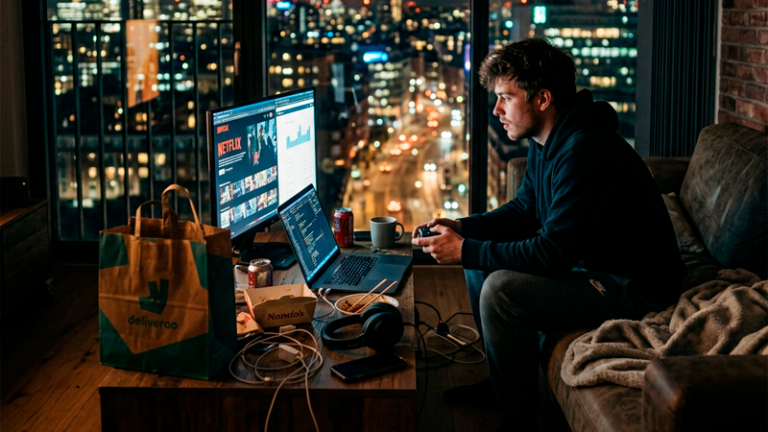
Without realizing it, many people shifted from seeing coworkers daily to spending most weekdays almost entirely alone.
That lifestyle may feel efficient professionally while still becoming emotionally draining over time.
Modern Cities Often Feel Less Welcoming To Casual Presence
A major cultural change happening across American cities involves the disappearance of spaces where people can simply exist comfortably without constantly spending money.
Benches disappear.
Public seating becomes limited.
Libraries reduce hours.
Parking grows expensive.
Independent businesses struggle to survive.
Many public environments now subtly encourage people to either:
- keep moving
- keep buying
- leave quickly
That creates a strange cultural atmosphere where casual public life feels increasingly restricted.
Older generations often remember spending long evenings outside with neighbors, walking through busy public spaces, or hanging around local businesses without pressure.
Now many adults feel like every outing requires:
- planning
- reservations
- transportation costs
- spending expectations
- digital coordination
Spontaneous social life becomes harder when every environment feels transactional.
That emotional shift affects communities more deeply than most economic reports can measure.
People Still Want Connection Even If Habits Changed
Despite all these cultural changes, people clearly still crave community.
That desire appears everywhere:
- crowded farmers markets
- packed local festivals
- neighborhood fitness groups
- independent cafés
- hobby communities
- running clubs
- local music events
Whenever environments feel authentic, affordable, and socially welcoming, people still show up enthusiastically.
That matters because it proves the problem is not that human connection became obsolete.
People did not suddenly stop wanting friendship, conversation, or shared experiences.
What changed is the infrastructure surrounding everyday social life.
Modern culture optimized heavily for:
- convenience
- speed
- personalization
- digital entertainment
- remote interaction
But many communities quietly lost spaces where people simply existed together naturally.
And once those places disappear, loneliness often increases without people fully understanding why.
A culture can become digitally connected while simultaneously becoming socially fragmented.
That contradiction defines modern life for a surprising number of Americans.