People Started Romanticizing Isolation Without Understanding The Cost
Spending time alone used to be treated differently.
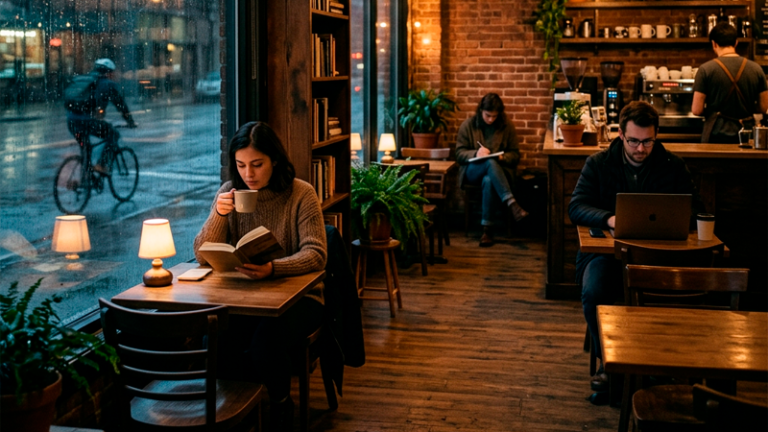
For years, isolation was often associated with burnout, loneliness, depression, or social withdrawal. Now the internet presents solitude as a lifestyle upgrade. Quiet apartments, noise-canceling headphones, solo coffee shops, “low-maintenance friendships,” and endless content about protecting personal peace turned isolation into something that sometimes looks aspirational.
Part of that shift makes sense.
A lot of people are exhausted. Social pressure became constant. Work follows people home through notifications, group chats never stop, and online culture rewards nonstop availability. Wanting distance from all of that feels reasonable.
But something else quietly happened along the way.
Many people started confusing emotional recovery with permanent disconnection. The difference between healthy solitude and social avoidance became blurry, especially after remote work, heavy screen time, and digital entertainment replaced large parts of real-world interaction.
That confusion carries consequences most people only notice years later.
Convenience Quietly Replaced Community
Modern life became incredibly efficient for avoiding people.
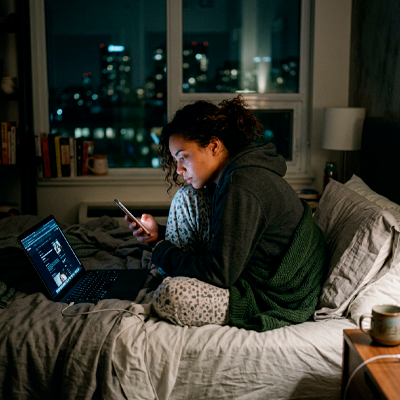
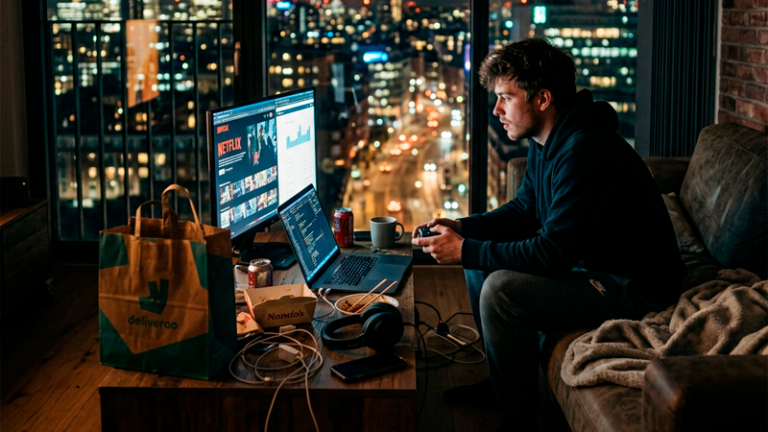
Food arrives without conversation. Streaming replaced shared entertainment. Remote jobs reduced daily interaction. Dating apps transformed relationships into endless scrolling. Even friendships increasingly happen through reactions, memes, and short messages instead of actual presence.
None of these things are automatically bad.
The problem is accumulation.
A person can now go several days interacting almost entirely through screens without realizing how unusual that would have seemed twenty years ago. Human connection slowly became optional instead of naturally built into everyday life.
One overlooked effect is how social skills weaken through underuse.
Not dramatically at first.
Small things disappear gradually:
- patience during conversation
- comfort with disagreement
- reading body language
- emotional tolerance
- attention span during real interaction
People often interpret this as “getting older” or “protecting energy,” when sometimes they are simply becoming less socially conditioned through lack of practice.
Social Media Changed What Friendship Looks Like
A lot of people technically know hundreds of others while feeling emotionally disconnected from almost everyone.
That contradiction became normal.
Someone may receive constant notifications, reactions, and messages while still lacking reliable support during difficult periods. Online interaction creates visibility, but visibility is not the same thing as closeness.
One surprising cultural shift is how many friendships now survive mostly through passive observation.
People keep up with each other through stories, reposts, and short updates without actually talking much anymore. That creates an illusion of maintaining relationships while emotional intimacy slowly fades in the background.
A college friend of mine realized he had not spoken on the phone with his closest group in almost eleven months despite interacting with them online nearly every day.
When they finally met in person, the dynamic felt strangely unfamiliar.
Digital contact maintained awareness but failed to maintain emotional depth.
That distinction matters more than most people realize.
Being Constantly “Available” Made Real Interaction Feel Exhausting
One reason isolation became romanticized is because many people feel socially overloaded long before they feel socially fulfilled.
Phones created a strange situation where communication never fully stops.
Work messages arrive at night.
Friends expect replies instantly.
Family conversations continue all day.
Group chats multiply endlessly.
After enough exposure, silence starts feeling luxurious.
That explains why many people now describe canceled plans as relief rather than disappointment. Solitude feels restorative because modern communication often lacks boundaries.
But there is an important insight hidden underneath this behavior.
People are not always exhausted by connection itself. They are exhausted by fragmented attention.
Scrolling through shallow interactions for six hours does not satisfy social needs the same way one meaningful dinner conversation can.
A person may spend the entire day communicating digitally and still feel emotionally isolated afterward.
That is one reason loneliness statistics remain high despite unprecedented connectivity.
Hyper-Independence Became A Status Symbol
A lot of online culture now rewards emotional self-sufficiency almost aggressively.
People celebrate:
- needing nobody
- cutting everyone off easily
- avoiding emotional dependence
- staying “unbothered”
- disappearing from social circles
Some independence is healthy.
But extreme self-protection often hides fear rather than strength.
One subtle cultural change is how vulnerability became associated with weakness in many online spaces. Depending on people emotionally now makes some individuals feel uncomfortable because modern culture constantly emphasizes self-reliance and emotional control.
That mindset creates temporary safety but long-term distance.
Relationships become harder to build when every inconvenience becomes a reason to disconnect. Friendships become fragile when discomfort automatically triggers withdrawal instead of communication.
Many people unintentionally built lives optimized for personal control rather than emotional closeness.
Those are not always the same thing.
Entertainment Started Competing With Human Relationships
Older social habits often existed because people had fewer alternatives.
People visited each other more often partly because staying home alone offered limited stimulation. Now entertainment is nearly infinite.
Streaming platforms, games, podcasts, short-form videos, livestreams, and algorithms create constant engagement without requiring emotional effort.
That changes behavior more than people notice.
After a stressful day, passive entertainment feels easier than maintaining relationships. One requires energy, compromise, and emotional presence. The other requires almost nothing.
The problem appears when convenience consistently wins.
A person who repeatedly chooses low-effort isolation eventually adapts to it emotionally. Social interaction starts feeling less natural simply because isolation became the dominant routine.
One non-obvious consequence is tolerance reduction.
People who spend long periods isolated sometimes become less patient with normal human imperfections. Small delays, disagreements, awkwardness, or conflicting opinions feel more irritating because constant alone time reduces exposure to social friction.
Human relationships always involve friction.
Without regular interaction, tolerance for that friction weakens.
Solitude Helps Until It Starts Replacing Growth
Healthy solitude absolutely matters.
Some people genuinely need quiet environments to think clearly, recover mentally, or focus creatively. Constant social stimulation can become draining, especially in loud digital environments.
But there is a point where solitude stops functioning as recovery and starts functioning as avoidance.
That line is difficult because isolation often feels comfortable in the short term.
No conflict.
No pressure.
No unpredictability.
No emotional demands.
But long-term isolation quietly removes experiences that shape emotional resilience. Relationships force people to adapt, compromise, communicate, and tolerate complexity.
Without those experiences, emotional habits can become rigid over time.
One reason many adults now struggle rebuilding friendships is because isolation slowly normalized itself. People became extremely skilled at being alone while losing comfort with sustained connection.
And the difficult part is that loneliness often develops quietly.
Not during noisy periods.
Not during dramatic breakdowns.
Usually during routines that feel harmless at first.
A few canceled plans.
A few ignored messages.
A few years spent replacing human interaction with convenience.
Then eventually someone realizes they built an incredibly comfortable life that no longer feels emotionally full.