Small Monthly Payments That Quietly Turn Into Financial Damage
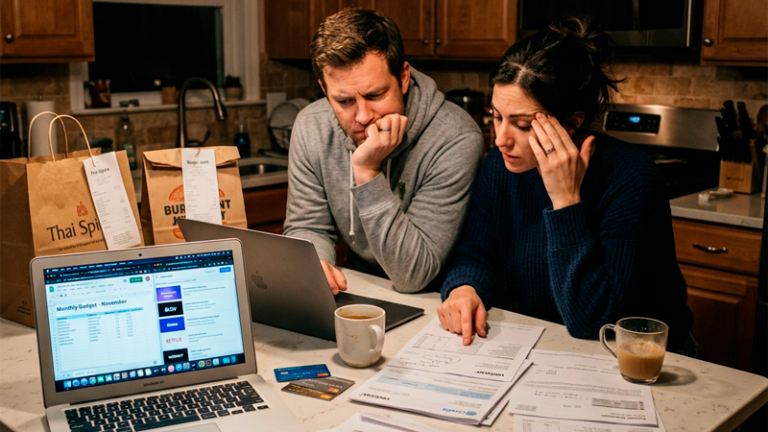
Most people don’t wreck their finances with one massive mistake.
It usually happens through small monthly commitments that seem harmless at first.
A streaming service here. A financing plan there. An upgraded phone payment. A premium subscription for something barely used after the first month.
Individually, none of these expenses look dangerous. That’s exactly why they pile up so easily.
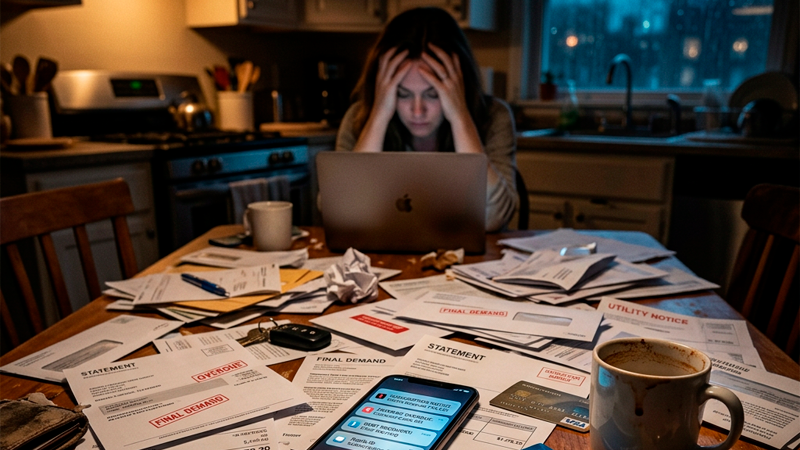
The problem starts when monthly payments become permanent background noise. After a while, people stop questioning them entirely. Money leaves the account automatically, and the brain treats it like rent or electricity — something unavoidable.
Meanwhile, the total keeps growing.
A person making decent money can still feel financially trapped simply because too many small payments are competing for every paycheck.
The Subscription Problem Gets Bigger Every Year
Ten years ago, most households had maybe one or two recurring digital bills.
Now people pay monthly for:
- music
- movies
- cloud storage
- fitness apps
- food delivery memberships
- password managers
- gaming services
- AI tools
- shopping memberships
- phone protection plans
Individually, many cost less than dinner at a restaurant.
Combined together, they quietly become a second utility bill.
A lot of consumers underestimate this because subscriptions rarely create immediate pain. Nobody notices a $9 charge the same way they notice spending $400 at once.
That psychological difference matters.
Companies understand that people tolerate small recurring charges much more easily than large upfront costs. Over time, businesses shifted heavily toward subscription models because recurring payments feel softer emotionally, even when they become more expensive long term.
Some people discover they’re spending hundreds per month on services they barely use.
Worse, many subscriptions survive purely because canceling them feels annoying.
Financing Everyday Purchases Creates Long Term Pressure
Monthly payment culture has changed the way people shop.
Instead of asking, “Can I afford this?”
Many buyers now ask, “Can I afford this monthly payment?”
Those are completely different questions.
Retailers know this. That’s why expensive purchases are constantly advertised through installment amounts instead of total cost.
A $1,800 laptop suddenly feels manageable at:
- $74 per month
- zero money down
- low introductory interest
The same thing happens with phones, furniture, appliances, and even vacations.
The danger appears when multiple financed purchases overlap at the same time.
Someone may have:
- a phone payment
- furniture financing
- a car loan
- buy now pay later installments
- credit card balances
- subscription services
None of those expenses alone feel catastrophic.
Together, they create a paycheck that already has obligations attached before the month even begins.
That pressure removes flexibility.
Unexpected problems suddenly become emergencies because the income is already spoken for.
Convenience Spending Usually Feels Invisible
One of the fastest ways monthly expenses grow is through convenience.
People pay extra constantly to save time or reduce friction:
- food delivery fees
- express shipping
- ride-sharing instead of driving
- premium grocery services
- automatic upgrades
- convenience store pricing
The issue isn’t occasional convenience spending.
The issue is when convenience becomes the default lifestyle.
A person ordering delivery three or four times per week may spend thousands more annually without fully realizing it because the purchases feel scattered instead of concentrated.
Financial damage often hides inside habits that never look dramatic individually.
That’s what makes them dangerous.
A single expensive luxury purchase feels serious. Small convenience purchases feel casual, which makes people less defensive about them.
Lifestyle Inflation Sneaks Up Faster Than Raises
Many people assume earning more money automatically improves financial stability.
Sometimes the opposite happens.
As income rises, spending quietly expands to match it.
A raise that should improve savings instead disappears into:
- a more expensive apartment
- upgraded electronics
- premium memberships
- newer cars
- frequent dining out
- larger monthly payments
This happens gradually enough that many workers never notice how quickly their fixed expenses increase.
Someone making twice as much money as they earned five years ago may still feel financially stressed because their lifestyle expanded alongside every raise.
That cycle becomes difficult to reverse because people adapt emotionally to higher standards of comfort very quickly.
Downgrading later feels painful, even when it’s financially necessary.
Buy Now Pay Later Services Change Spending Behavior
Installment services exploded because they make purchases feel smaller psychologically.
Instead of seeing a $600 purchase, buyers see:
- four payments of $150
- no interest for now
- instant approval
- low friction checkout
That changes behavior dramatically.
People become more willing to purchase nonessential items because the financial hit feels delayed and divided.
The danger appears when multiple installment plans overlap at once.
Suddenly someone owes:
- sneaker payments
- electronics payments
- furniture installments
- beauty product subscriptions
- travel financing
Many consumers stop tracking the total because each payment feels disconnected from the others.
That fragmented spending style creates confusion about how much money is truly committed every month.
It also increases the risk of missed payments, overdraft fees, and credit score damage.
Financial Exhaustion Often Starts Before Debt Gets Extreme
One thing rarely discussed is the emotional side of recurring financial pressure.
People don’t need massive debt to feel trapped.
Constant monthly obligations create mental fatigue because every paycheck already has assignments waiting for it.
That feeling changes daily decisions.
People delay:
- emergency savings
- investing
- career changes
- moving opportunities
- vacations
- medical expenses
Not because they lack income entirely, but because too much money is already reserved for recurring commitments.
That creates a strange financial situation where someone earns decent money but still feels stuck every month.
The problem isn’t always income.
Sometimes it’s simply too many permanent payments competing for attention.
Cutting Expenses Usually Requires One Honest Audit
Many people try budgeting without fully understanding where their money actually goes.
That’s why detailed financial reviews matter.
Looking carefully at:
- subscriptions
- automatic renewals
- installment plans
- food spending
- convenience spending
- app charges
often reveals far more waste than expected.
Some recurring expenses genuinely improve life.
Others survive purely because nobody stopped to question them.
The hardest part is that many unnecessary payments don’t look irresponsible individually. They look normal.
That’s exactly why they become dangerous over time.
A strong financial situation usually depends less on dramatic sacrifice and more on controlling the slow leaks that quietly drain income month after month.