Quiet Cultural Habits That Are Slowly Replacing Traditional Social Life
A subtle shift has been happening across American culture over the last few years, and most people barely noticed it at first.
Weekend routines changed.
Friend groups became smaller.
People started spending more money on isolation, while simultaneously claiming they felt “burned out” from social interaction.
A lot of behaviors that once seemed temporary quietly became permanent.
Dinner invitations turned into voice notes.
Movie nights became separate streaming accounts.
Long conversations became short reactions.
And surprisingly, many people now feel emotionally exhausted after situations that used to feel normal just a decade ago.
What makes this cultural shift interesting is that it is not happening because people suddenly hate social life.
In many cases, the opposite is true.
People still want connection. They still crave community. They still miss meaningful interaction.
But modern routines have created an environment where convenience often wins against closeness, even when the emotional consequences become obvious later.
The financial side of this shift has also become impossible to ignore.
Many Americans are now spending hundreds of dollars per month on services designed to replace activities that used to happen naturally through friendships, neighborhoods, or family routines.
And for younger adults especially, that change is reshaping daily life much faster than most people expected.
Private Comfort Started Winning Against Shared Experiences
For a long time, social life depended heavily on shared inconvenience.
People went out because staying home was boring.
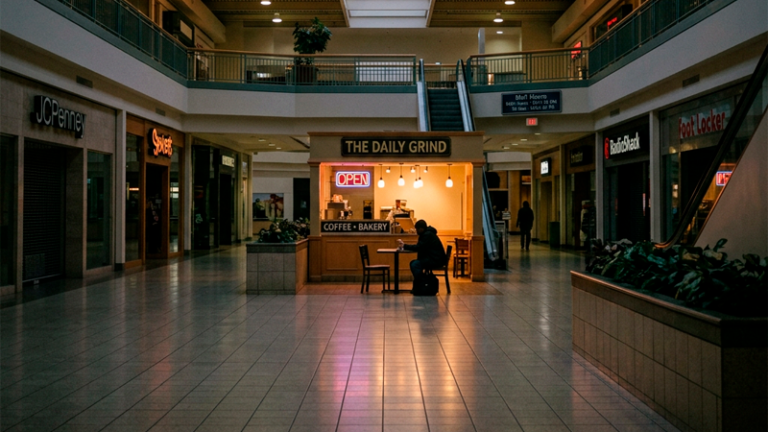
They tolerated crowded malls, packed restaurants, and noisy movie theaters because entertainment options inside the house were limited.
That balance changed dramatically.
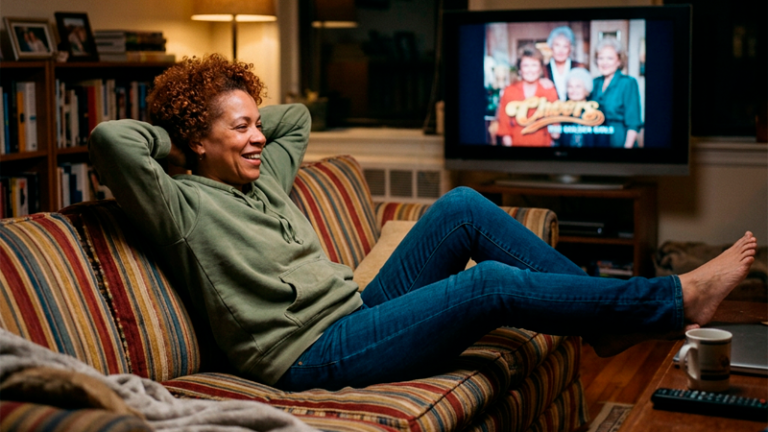
Today, staying home often feels easier, cheaper, and sometimes even more comfortable than going outside.
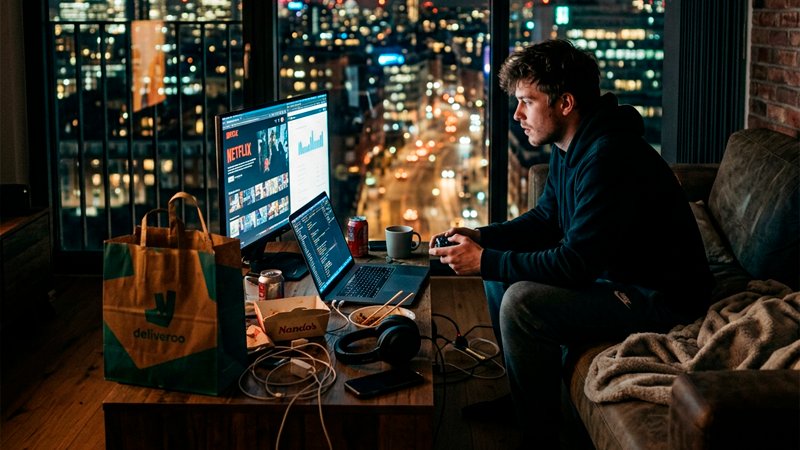
A person can order food, watch new releases, work remotely, shop online, and talk to friends without leaving the couch.
At first, many people treated these conveniences like temporary luxuries.
Now they are deeply embedded into everyday culture.
The consequence is subtle but powerful.
Small social habits slowly disappear first.
Coworkers stop grabbing coffee together.
Neighbors stop casually visiting each other.
Friends cancel plans more easily because digital entertainment already fills the emotional gap temporarily.
And over time, something important starts happening psychologically.
People become less socially tolerant.
Minor inconveniences suddenly feel exhausting.
Traffic feels unbearable.
Crowded spaces feel draining.
Waiting for friends feels frustrating.
For many adults under 35 years old, the threshold for social fatigue became dramatically lower than previous generations experienced.
That does not necessarily mean people became weaker.
It often means their routines became more isolated.
And isolated routines can quietly reduce emotional flexibility over time.
Subscription Culture Quietly Replaced Community Habits
One of the most overlooked cultural shifts involves the rise of subscription-based lifestyles.
A surprising number of activities that once depended on shared spaces are now handled through monthly payments.
Instead of borrowing movies from friends, people pay for four or five streaming platforms simultaneously.
Instead of community gyms, many consumers buy expensive home fitness equipment.
Instead of social hobbies, people increasingly consume personalized entertainment algorithms alone.
The numbers add up quickly.
A household can easily spend:
- $15 to $20 on one streaming platform
- $80 to $150 on food delivery fees monthly
- $200+ on convenience subscriptions
- Hundreds more on digital entertainment ecosystems
Individually, these purchases feel small.
Collectively, they reshape behavior.
Convenience subscriptions reduce friction, but they also reduce accidental interaction.
Years ago, people naturally encountered coworkers, neighbors, or strangers more often during ordinary errands.
Now many routines happen privately behind screens.
And that creates a strange contradiction.
Americans are more digitally connected than ever before, yet many report stronger feelings of loneliness at the exact same time.
That contradiction appears repeatedly across younger generations.
Especially among remote workers.
Especially among people living alone.
Especially among adults who spend most of the day interacting through notifications instead of face-to-face conversations.
Young Adults Are Spending More While Going Out Less
One detail that surprises many older adults is how expensive modern isolation can become.
People often assume staying home saves money automatically.
Sometimes it does.
But modern comfort culture created entirely new categories of spending.
Food delivery alone became a major example.
A meal that once cost $14 can suddenly reach $28 or more after fees, tips, and inflated menu prices.
Streaming bundles stack together.
Gaming subscriptions continue monthly.
Premium apps quietly renew in the background.
And many consumers barely notice the total amount leaving their accounts each month.
Meanwhile, traditional social spending patterns declined.
Younger adults are often:
- traveling less frequently with large groups
- hosting fewer in-person gatherings
- attending fewer local events
- participating less in community organizations
That shift affects more than entertainment.
It changes dating culture.
It changes friendship dynamics.
It changes neighborhood identity.
In some cities, people now know their favorite delivery drivers better than the people living next door.
That would have sounded absurd twenty years ago.
Now it feels completely normal.
And normalization matters because cultural habits become difficult to reverse once routines solidify.
Digital Exhaustion Became A Real Social Problem
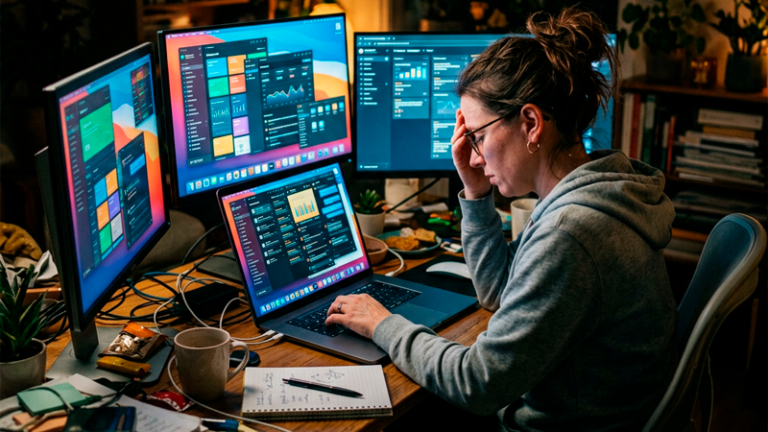
A growing number of people feel mentally tired before their day even begins.
Part of that exhaustion comes from work.
Part comes from financial pressure.
But another major factor comes from constant low-level digital stimulation.
Phones turned quiet moments into endless streams of updates, reactions, alerts, videos, and notifications.
As a result, the brain rarely experiences genuine downtime anymore.
And strangely, excessive digital interaction can sometimes make real-world interaction feel harder afterward.
People become accustomed to:
- muting conversations instantly
- responding whenever convenient
- editing responses before sending
- avoiding uncomfortable moments online
Real-life interaction does not work that way.
Face-to-face communication requires patience, attention, and emotional presence.
For some younger adults, especially those who spent formative years heavily online, social situations now feel unexpectedly demanding.
That helps explain why many people claim they feel “drained” after relatively normal activities like dinners, birthdays, or networking events.
It is not always social anxiety in the clinical sense.
Sometimes it is simply reduced tolerance for uninterrupted interaction.
And unfortunately, avoiding social interaction repeatedly can intensify the problem over time.
Isolation often feels comfortable in the short term while creating deeper emotional fatigue long term.
That pattern appears more frequently than many people realize.
Older Generations Often Misunderstand What Changed
A common mistake in cultural discussions is assuming younger generations became lazy, antisocial, or disconnected for no reason.
Reality is usually more complicated.
Modern adults face very different environmental conditions than previous generations experienced.
Housing costs increased dramatically in many cities.
Remote work changed daily structure.
Social media transformed comparison culture.
Economic uncertainty delayed milestones like marriage, homeownership, and parenthood.
All of these pressures influence social behavior.
A person working remotely in a small apartment while managing rising expenses may naturally build routines centered around convenience and recovery.
That does not mean they dislike people.
It often means their energy is fragmented across too many stressors simultaneously.
At the same time, older generations are not entirely wrong when they notice reduced social resilience.
Many younger adults genuinely spend less time navigating uncomfortable public situations compared to previous decades.
And like any skill, social endurance weakens without regular practice.
That is why some cultural observers believe the future may eventually swing back toward more intentional in-person experiences.
People eventually notice when convenience starts replacing fulfillment entirely.
And many already are.
Independent bookstores are seeing renewed interest.
Smaller community events continue growing in some cities.
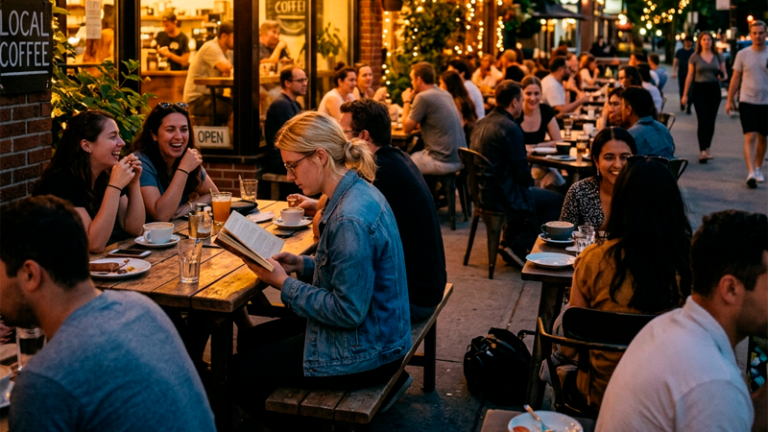
Local hobby groups have become increasingly popular again.
Even younger consumers who love digital convenience are beginning to crave experiences that feel more personal, physical, and real.
The Future Of Social Life May Become More Intentional
Social life is probably not disappearing.
It is evolving.
Casual interaction may continue shrinking, but intentional interaction could become more valuable than ever.
That distinction matters.
Years ago, people socialized automatically because routines forced interaction naturally.
Now many people must actively create social experiences themselves.
And that changes the emotional value of those experiences.
A dinner invitation today can feel more meaningful precisely because it competes against endless digital distractions.
A long in-person conversation feels different when most communication happens through short-form content and notifications.
Ironically, modern culture may eventually push people back toward slower and more deliberate forms of connection.
Not because technology failed.
But because people eventually recognize that constant convenience does not automatically create emotional satisfaction.
Many already feel that tension daily.
They have entertainment.
They have subscriptions.
They have comfort.
Yet they still feel disconnected sometimes.
That feeling alone explains why cultural habits are shifting again in subtle ways.
And over the next decade, the people who intentionally protect real-world relationships may end up emotionally healthier than those who rely entirely on digital convenience for connection.
FAQ
Why do many people feel socially exhausted more easily now?
Several factors contribute to this, including remote work, constant digital stimulation, less face-to-face interaction, and routines centered around convenience. Many people also spend significantly more time alone than previous generations did.
Is technology entirely responsible for weaker social habits?
No. Rising living costs, changing work culture, housing pressure, and online lifestyles all play important roles. Technology accelerated the shift, but it is not the only reason.
Are younger generations becoming less social overall?
Not necessarily. Many younger adults still value connection deeply, but they often approach social life differently. Smaller gatherings, niche communities, and intentional meetups are becoming more common than large traditional social circles.
Can isolated routines affect mental well-being long term?
Yes. Long periods of isolation can increase feelings of loneliness, emotional fatigue, and reduced social confidence for some people, especially when combined with excessive screen time.