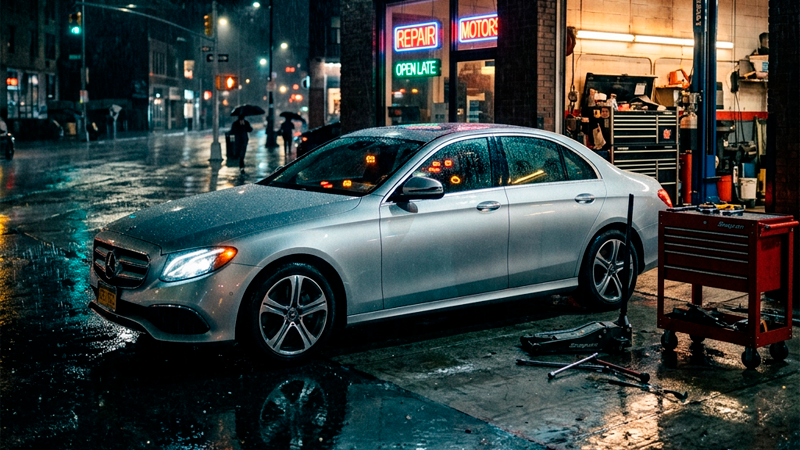
Used Luxury Sedans Often Become Expensive Regrets After 70,000 Miles
A lot of drivers see an older luxury sedan listed for $11,000 to $18,000 and immediately think they found an incredible deal.

The car looks beautiful.
The interior feels premium.
The technology still appears modern.
And compared to a brand-new economy car, the value seems impossible to ignore.
That excitement usually lasts until the first major repair bill arrives.
What surprises many buyers is how quickly ownership costs change once luxury vehicles move past certain mileage ranges. A used premium sedan that originally cost $65,000 new still carries repair standards designed for a high-end vehicle, even when the resale price falls dramatically.
The purchase price drops fast, but maintenance costs usually do not.
That mismatch creates financial problems for a lot of second or third owners who expected “affordable luxury” to behave like a normal used car.
German Luxury Cars Age Very Differently From Mainstream Sedans
One mistake buyers frequently make is comparing a used luxury sedan to a regular commuter car purely by price.
A ten-year-old premium sedan may cost the same as:
- a newer compact SUV
- a reliable Japanese sedan
- an entry-level crossover
But ownership expectations are completely different.
Luxury vehicles often include:
- adaptive suspension systems
- turbocharged engines
- advanced driver assistance sensors
- premium electronics
- air suspension components
- expensive brake systems
Those features feel amazing during test drives.
Unfortunately, they also create more potential failure points as mileage climbs.
A replacement suspension repair on certain European luxury models can easily exceed:
- $1,500
- $3,000
- sometimes even $5,000+
Meanwhile, a similar repair on a mainstream sedan may cost a fraction of that amount.
A low resale price does not mean the car suddenly became inexpensive to maintain.
That reality catches many first-time luxury buyers completely off guard.
The Monthly Payment Looks Good Until Repair Costs Replace It
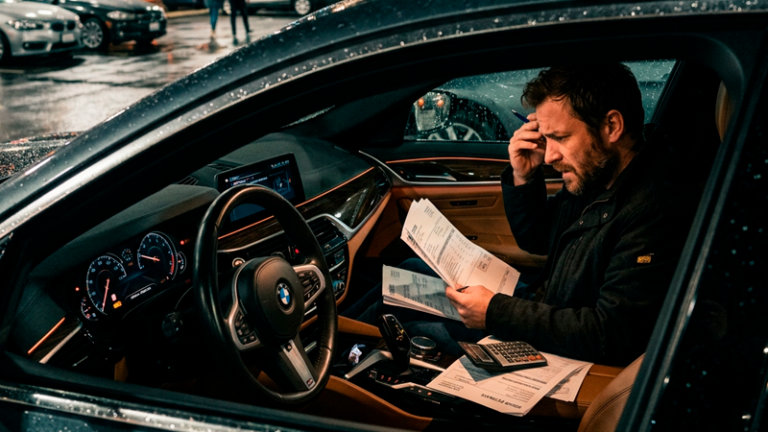
Some buyers focus so heavily on financing approval and monthly payments that they forget to evaluate ownership after the purchase.
A used luxury sedan with a payment around $320 per month may initially feel manageable.
Then real-world costs start appearing:
- premium fuel
- larger tire replacements
- dealership labor rates
- higher insurance premiums
- expensive battery replacements
- electronic failures
Suddenly the owner is spending another $300 to $700 monthly maintaining the vehicle properly.
In many cases, people end up financially trapped.
They cannot comfortably afford repairs, but they also cannot easily sell the car because repair issues reduce resale value further.
This is where older luxury cars become emotionally stressful instead of enjoyable.
A buyer who originally wanted comfort and status ends up worrying every time a warning light appears on the dashboard.
Some Repairs Quietly Destroy the Entire Value Equation
Certain repairs completely change the economics of owning older luxury vehicles.
Transmission problems are one example.
A used luxury sedan purchased for $14,000 may suddenly require:
- a $6,500 transmission replacement
- a $4,000 turbo repair
- a $2,800 cooling system overhaul
At that point, many owners face a brutal decision:
- repair the vehicle
- sell it at a major loss
- continue driving while problems worsen
The hardest part is that many issues do not appear immediately during a short test drive.
A car can feel smooth for:
- 20 minutes
- one weekend
- even several months
Then expensive failures begin appearing as mileage climbs or deferred maintenance catches up.
Luxury cars are often extremely rewarding when maintained correctly, but neglected examples become financial sinkholes very quickly.
This is especially true with vehicles that passed through multiple owners trying to minimize repair spending.
Modern Technology Increased Comfort While Reducing Simplicity
Older vehicles from the late 1990s or early 2000s were mechanically simpler in many ways.
Modern luxury sedans became dramatically more complex.
Today, even used models frequently include:
- panoramic roofs
- digital dashboards
- active safety systems
- touch-sensitive controls
- adaptive lighting
- electronically controlled suspensions
Those features improve the driving experience significantly when everything works correctly.
But once electrical problems begin, diagnosis itself can become expensive before repairs even start.
Some owners spend:
- $250 diagnostic fees
- multiple dealership visits
- weeks waiting for specialized parts
And unlike cosmetic upgrades, many electronic systems affect drivability directly.
A malfunctioning sensor may trigger:
- reduced engine power
- transmission limitations
- suspension warnings
- disabled safety features
Luxury vehicles increasingly behave like rolling computers, and computer-related repairs rarely stay inexpensive.
That reality changes long-term ownership far more than many buyers expect.
A Well-Maintained Lexus Often Ages Differently Than a Neglected European Sedan
Not every luxury vehicle ages poorly.
Maintenance history matters more than badges alone.
Some brands built strong reputations for long-term reliability because they focused more heavily on mechanical durability than constant technological experimentation.
That is why certain buyers intentionally search for:
- lower-owner vehicles
- complete service records
- highway mileage examples
- preventive maintenance documentation
Meanwhile, heavily discounted luxury cars with missing maintenance history often carry the highest financial risk.
A neglected vehicle may look perfect cosmetically while hiding:
- oil leaks
- suspension wear
- cooling problems
- transmission stress
- overdue timing service
The cheapest luxury sedan on the market is rarely the cheapest one to own long term.
Experienced buyers understand that paying more upfront for maintenance history can save thousands later.
Social Pressure Pushes Some Buyers Into Bad Decisions
Luxury vehicles also carry emotional influence that affects financial decisions.
People associate premium sedans with:
- success
- status
- comfort
- professionalism
- lifestyle upgrades
That image causes some buyers to stretch budgets far beyond what makes practical sense.
Someone earning a moderate income may feel tempted by a used luxury car because:
- the monthly payment appears reasonable
- the interior feels impressive
- the vehicle creates a strong first impression
But appearances disappear quickly once repair bills start competing with rent, savings, or emergency expenses.
A luxury car becomes far less enjoyable when basic maintenance creates financial anxiety every few months.
That pressure explains why many owners eventually trade expensive older luxury vehicles for simpler and more predictable transportation.
FAQ
Are older luxury sedans always bad purchases?
No. Some are excellent vehicles when properly maintained. The biggest risk comes from buying neglected examples without service history or realistic repair budgeting.
Which costs surprise luxury car owners most often?
Common surprises include:
- suspension repairs
- electronic failures
- premium tire prices
- dealership labor rates
- cooling system repairs
- insurance increases
Many buyers underestimate long-term ownership costs significantly.
Is financing an older luxury car risky?
It can be. Financing older vehicles while also facing large repair risks creates financial pressure quickly, especially if the owner lacks emergency savings for unexpected maintenance.
Why do luxury cars depreciate so quickly?
High repair costs, expensive parts, and buyer concerns about long-term reliability reduce resale demand as vehicles age. Luxury vehicles lose value rapidly once warranties expire.
Luxury Feels Different Once Repair Bills Become Routine
There is nothing wrong with wanting a premium driving experience.
A well-maintained luxury sedan can feel incredible even years after production. Quiet cabins, comfortable seats, smooth highway driving, and refined interiors still matter to many drivers.
But older luxury cars demand realistic expectations.
People who succeed with them usually:
- research maintenance carefully
- budget aggressively
- avoid neglected examples
- understand repair risks beforehand
The buyers who struggle most are often the ones who focused only on the sticker price while ignoring long-term ownership realities.
Because once major repairs start arriving consistently, the original “deal” often stops feeling like one.