Why Third Places Are Quietly Disappearing From American Cities
A lot of people feel lonelier than they did five or ten years ago, even when they technically spend more time connected to others online.
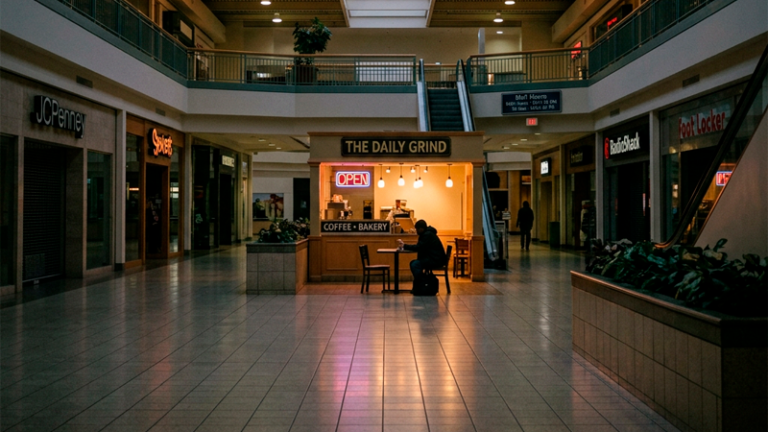
Part of that feeling comes from something many cities have been losing slowly without fully noticing. The disappearance of “third places.”
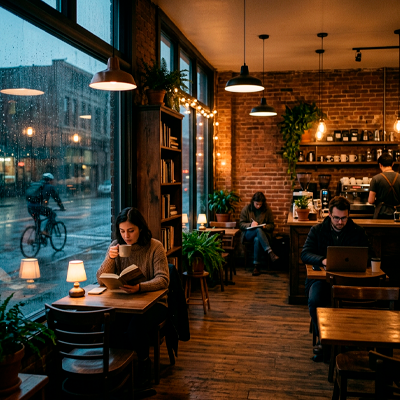
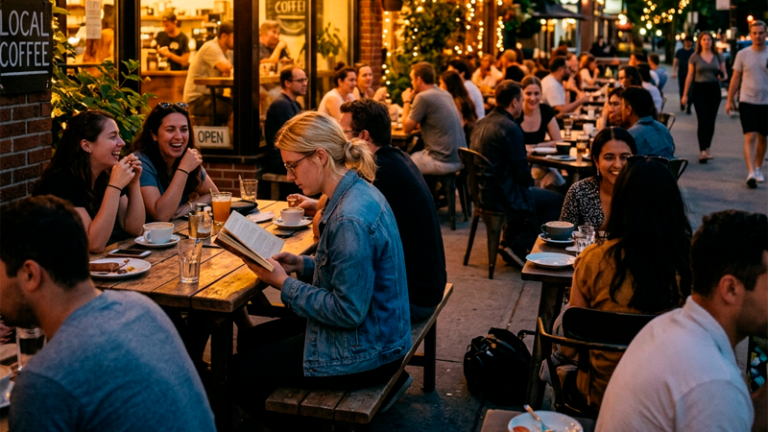
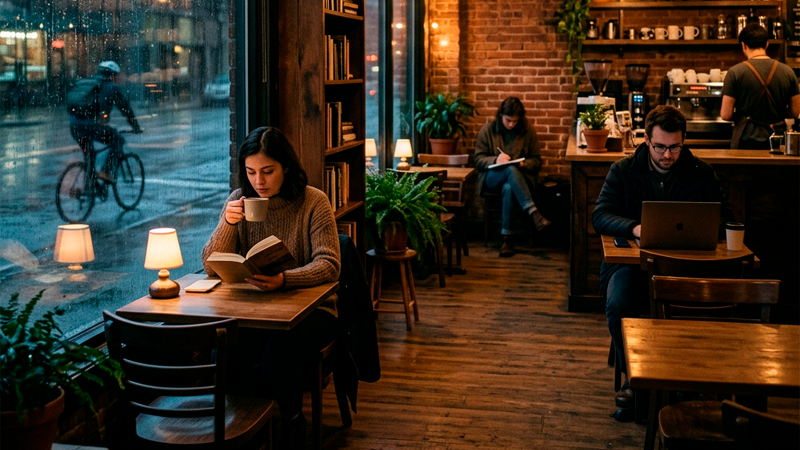
Home is the first place. Work is the second. Third places are the spaces in between:
- coffee shops
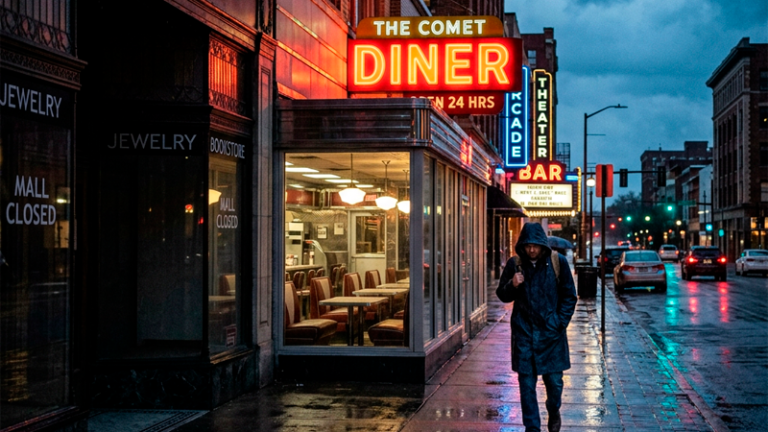
- diners
- bookstores
- community centers
- neighborhood bars
- parks
- local music venues
These are the environments where people casually interact without needing a formal invitation, scheduled appointment, or financial objective.
The problem is that many of these spaces are quietly becoming financially unsustainable, heavily commercialized, or socially fragmented. That shift is changing daily life more than many people realize.
Hanging out became surprisingly expensive
One major reason third places are disappearing is simple economics.
A lot of businesses can no longer survive from low-spending customers casually occupying space for hours. Commercial rent increased sharply across many American cities, especially after inflation pushed operating costs higher.
Independent cafes and local gathering spots now face:
- higher rent
- increased payroll expenses
- rising insurance costs
- food inflation
- utility increases
That pressure changes business behavior quickly.
A coffee shop that once tolerated customers spending three hours with a single $4 drink may now need constant turnover just to stay profitable. Some places quietly redesign seating layouts, remove outlets, reduce lounge areas, or increase menu pricing to discourage long stays.
People notice the atmosphere changing even when they cannot fully explain why.
The space starts feeling transactional instead of communal.
Digital entertainment reduced casual public interaction
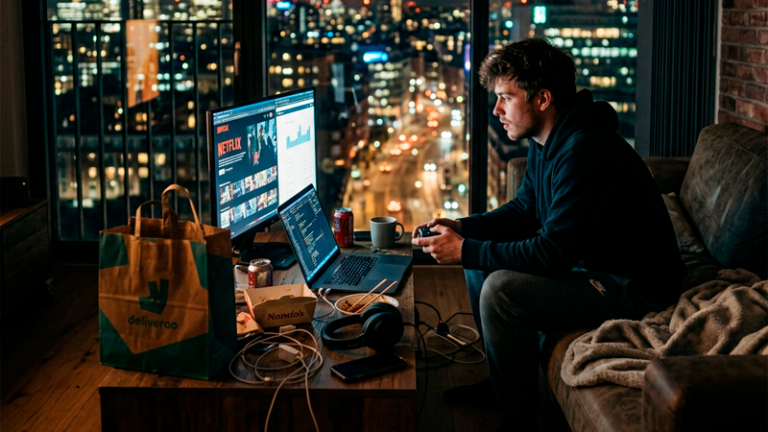
Streaming services, gaming platforms, social media, and remote entertainment changed how people spend free time.
Years ago, boredom pushed people outside more often.
Now, staying home offers endless stimulation:
- movies
- TikTok
- Discord
- multiplayer games
- YouTube
- live streams
- group chats
That convenience creates a subtle cultural shift.
People socialize more intentionally but less spontaneously. Casual encounters with neighbors, local musicians, bookstore regulars, or random conversations at diners happen less frequently because fewer people spend unstructured time in public spaces.
One overlooked consequence is that communities become socially weaker even when individuals remain digitally connected.
Online interaction creates communication. It does not always create belonging.
Many public spaces stopped feeling relaxed
Another issue involves psychological comfort.
Some public gathering spaces now feel:
- overcrowded
- heavily monitored
- overly expensive
- politically tense
- socially performative
A lot of younger adults especially describe modern social environments as exhausting instead of relaxing. Instead of casually existing in a space, people often feel pressure to:
- document experiences
- post content
- look productive
- spend money continuously
That changes behavior.
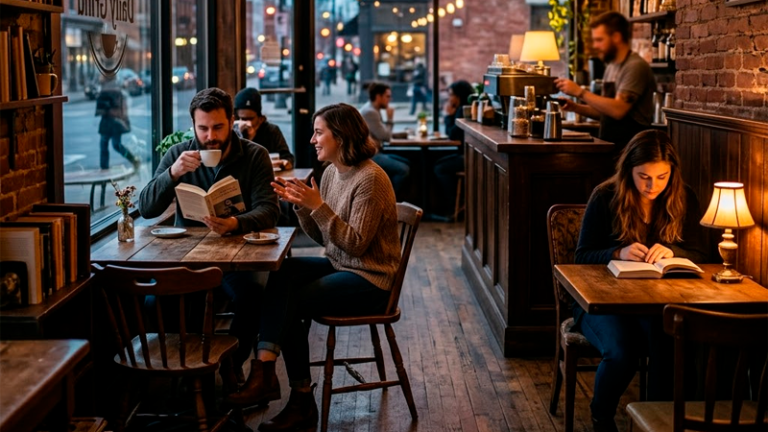
A neighborhood café used to function as a place where someone could quietly sit, read, think, or talk without pressure. In many cities, those environments now feel optimized for branding, speed, or social visibility instead.
The atmosphere becomes less human and more curated.
Remote work changed cities in unexpected ways
Remote work gave many people flexibility, but it also disrupted routines that previously kept urban social ecosystems active.
Downtown lunch spots, after-work bars, and small local businesses relied heavily on office worker foot traffic. Once remote and hybrid work expanded, many of those routines disappeared almost overnight.
Some cities never fully recovered.
Local businesses lost:
- predictable weekday traffic
- regular customers
- commuter spending
- event participation
- nighttime activity
At the same time, many workers became more isolated inside apartments or suburban homes without replacing those social routines elsewhere.
Ironically, flexible work schedules gave people more personal freedom while reducing some of the casual social interaction built into older daily structures.
Young adults now socialize differently
A major cultural shift happened around how younger generations approach friendship and public interaction.
Many people in their twenties and thirties now prioritize:
- planned experiences
- private gatherings
- smaller social circles
- online-first communication
That is partly economic.
Going out regularly became expensive fast. In many cities, one casual evening can easily cost:
- $18 cocktails
- $40 parking
- rideshare fees
- inflated food pricing
- event tickets
A simple night outside can quietly exceed $120 to $200 without much effort.
As a result, people increasingly socialize at home or online instead.
This changes cities culturally because third places historically depended on regular, low-pressure participation from ordinary people rather than occasional expensive outings.
Independent businesses struggle against large chains
One less obvious issue is that chain businesses often operate differently from traditional neighborhood gathering spaces.
Large corporations prioritize:
- customer turnover
- efficiency
- scalability
- predictable behavior patterns
Independent businesses historically tolerated more community-driven behavior because owners personally knew regular customers and viewed the space socially as well as financially.
That difference matters.
A local diner owner may allow someone to sit for two hours chatting with friends because the relationship itself strengthens the neighborhood atmosphere.
Corporate environments tend to optimize for measurable transactions instead.
As chains expand across urban areas, many cities become commercially active while simultaneously feeling less socially connected.
People still gather physically. The spaces simply feel less personal.
Third places mattered more than people realized
One important insight is that third places were never just entertainment spaces.
They acted as low-cost emotional infrastructure.
People used them to:
- decompress after work
- meet future partners
- maintain friendships
- discover local culture
- network casually
- feel connected to neighborhoods
Without these spaces, social life becomes more fragmented and intentional. Every interaction starts requiring planning, transportation, scheduling, or spending.
That creates loneliness differently than total isolation.
A person may technically interact with dozens of people online daily while rarely experiencing genuine unstructured human presence in physical space.
That psychological difference matters more than many cities expected.
Cities that protect gathering spaces may age better socially
Some urban planners and local business owners are starting to recognize the long-term consequences of losing accessible public social environments.
Cities investing in:
- walkable neighborhoods
- public parks
- independent businesses
- mixed-use spaces
- local arts scenes
- affordable community areas
often maintain stronger neighborhood identity over time.
These places give residents opportunities to exist socially without constantly consuming or performing.
That matters because healthy communities are not built entirely through productivity or convenience. They also require spaces where people can simply spend time together without financial pressure dominating every interaction.
Once those environments disappear completely, rebuilding them becomes much harder than most cities expect.